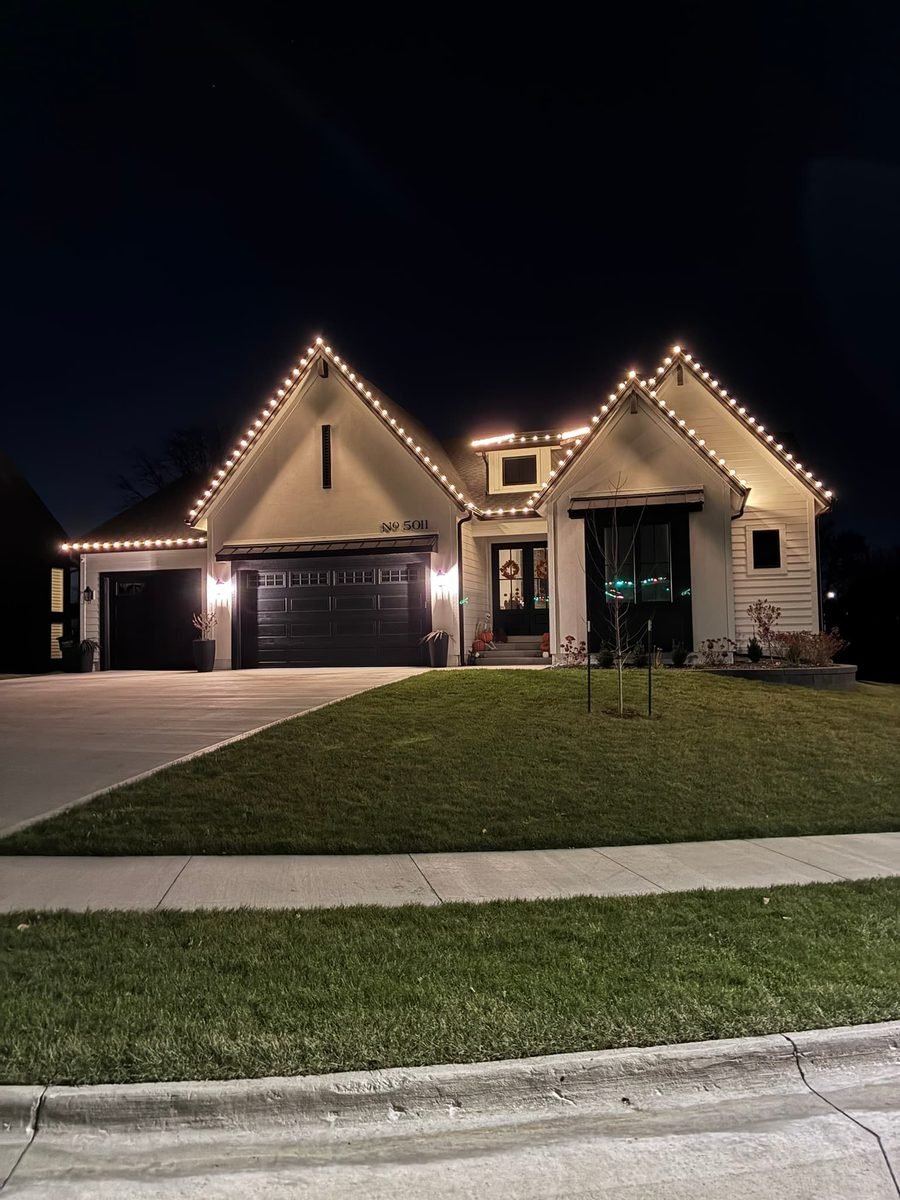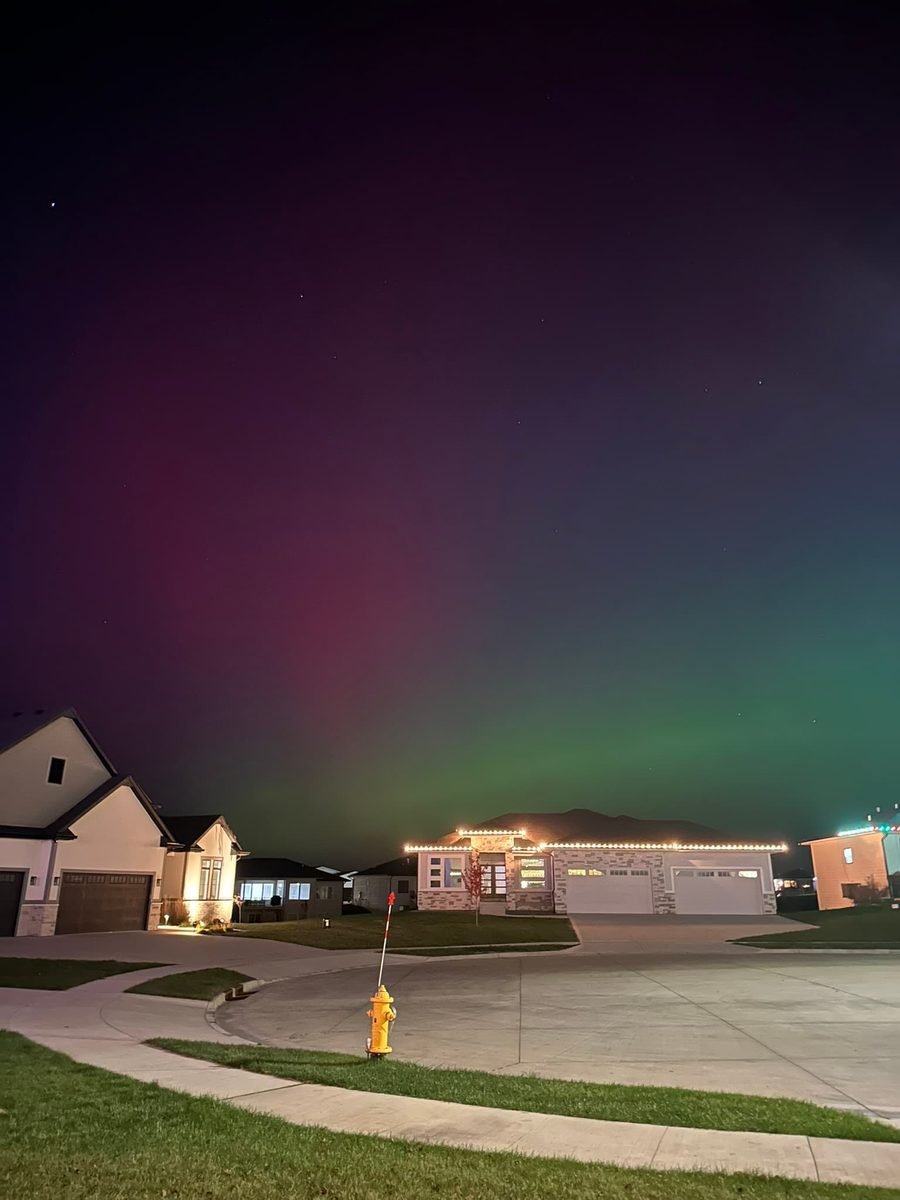
Low-voltage LED permanent lighting cuts electricity use on Des Moines homes while giving you year-round roofline illumination. By switching from older incandescent bulbs to modern LED systems, homeowners run outdoor lights every night for a fraction of the standard power draw.
My name is Tate, owner of Shimmer & Shine Lights. I answer my own phone, and my crew installs outdoor holiday and permanent lighting throughout the metro area. If you are looking into energy-efficient lighting in Des Moines, understanding power consumption, installation choices, and local seasonal timing helps you make the right choice for your house.
How Low-Voltage LED Lighting Saves Energy in Des Moines
Outdoor lighting used to mean heavy power draw and high utility bills throughout the winter. Standard incandescent bulbs convert most of their power into heat rather than light. Modern low-voltage LED systems operate on a small fraction of that power, making them ideal for long-term use on homes across central Iowa.
According to the U.S. Department of Energy, LED holiday lights consume 80% to 90% less electricity than traditional incandescent light strands. That reduction allows homeowners to keep roofline lights running during long Midwest winter nights without facing a sharp spike in energy usage.
The physical difference in power draw is substantial when you look at individual bulb ratings. A standard 100-bulb string of incandescent mini-lights consumes roughly 40 watts of power, whereas a comparable 100-bulb LED light string uses only about 7 watts, according to Electric Choice. When scaled up to cover a full home roofline, low-voltage LED technology drastically lowers total wattage.
Local power infrastructure also plays a role in how residents think about home energy efficiency. MidAmerican Energy, the primary electric utility serving Des Moines, offers residential energy-efficiency programs and instant discounts on qualifying ENERGY STAR rated home upgrades. Upgrading your home's exterior features to lower-wattage equipment aligns directly with regional energy conservation efforts.
Permanent LED Track Lighting vs. Seasonal Displays
Homeowners evaluating outdoor lighting usually decide between permanent year-round track systems and seasonal temporary displays. Both options rely on energy-efficient LEDs, but they serve different needs.
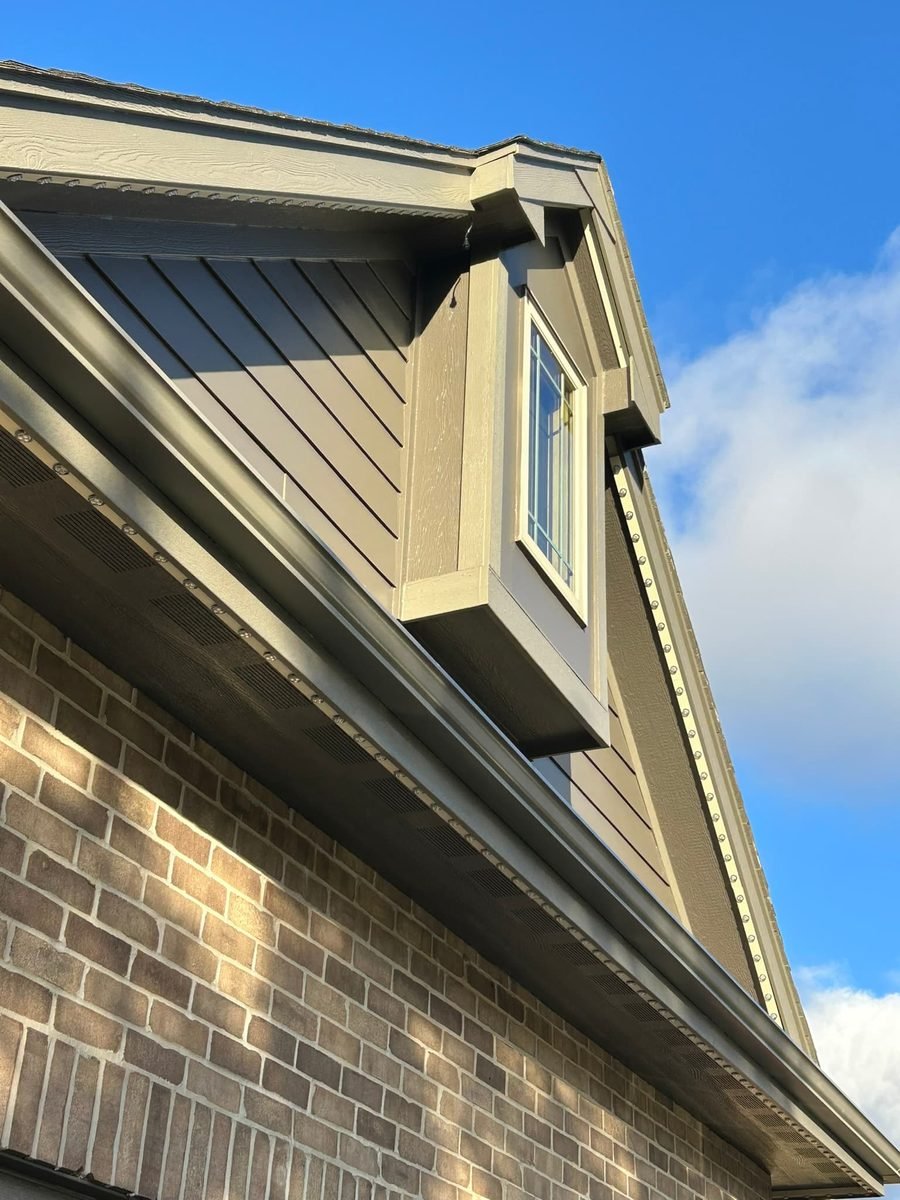
Permanent lighting uses low-voltage LED diodes housed inside aluminum tracks mounted flush against your home's fascia or soffit line. Because the track matches your trim color, the bulbs stay hidden during the day while providing accent lighting, architectural highlighting, or holiday colors at night. You can read more about how year-round systems function on our permanent lights page or review our guide on whether are permanent christmas lights worth it.
Seasonal installations use temporary custom-cut C9 LED strands clipped to your gutters or shingles each fall and taken down each winter. To compare bulb types and power differences for temporary setups, read our breakdown of LED vs. incandescent christmas lights.
If you have a small, easy single-story run and just want basic lighting for a few weeks, hanging your own lights is usually cheaper. If you want a complete setup without getting on ladders, hiring a professional service makes sense.
Energy Efficiency Across Des Moines Seasons
Des Moines faces wide temperature swings throughout the year. Cold weather hits central Iowa early in the autumn, making energy efficiency and durability critical for exterior fixtures.
According to Iowa State University Extension and Outreach, the average first fall freeze date in Des Moines, Iowa occurs on October 6. Once freezing temperatures set in, outdoor lighting equipment must withstand frost, heavy snow, and high winds while operating efficiently.
Winter night lighting is a major part of local tradition across the metro area. Events like the Historic East Village's Holiday Promenade in Des Moines, which runs from November 20 through December 18 from 5 to 8 p.m. according to the Greater Des Moines Partnership, highlight how central outdoor lighting is to the local culture. Efficient low-voltage LEDs allow residential neighborhoods to match that festive atmosphere efficiently.
How Shimmer & Shine Lights Works
Shimmer & Shine Lights installs Christmas and holiday lights on homes across the Des Moines metro area. We serve Adel, most of Ankeny (not the far east side), Clive, Dallas Center, Grimes, Johnston, Norwalk, Urbandale, Waukee, West Des Moines, and Windsor Heights.
Here is how our pricing and service structure works for seasonal lights:
- Pricing is calculated strictly by the foot of roofline.
- If booked by November 14, 2026, the rate is $5 a foot with a $500 minimum.
- The rate goes up on November 15 and goes up again on December 1.
- The first season is full price. A three-year agreement takes 20% off the next two seasons; a two-year agreement takes 15% off the second season. Details are available on our pricing page.
- One price covers everything: roofline measurement, lights custom cut to fit your home, professional installation, fixes all season long, takedown in January, and off-season storage until next October.
- Bulb colors cost the exact same: warm white, multicolor, red and white, or any custom color mix you choose.
Our installation process is designed to be straightforward. Clips attach without nails or screws wherever the roofline allows. The installation runs directly from your existing exterior outlets. Customers choose which parts of the roofline are lit; lighting just the peaks or just the front fascia is completely fine.
We start seasonal installations in mid-October and run Monday through Saturday. Bookings are organized by daily route, so neighbors often share an installation day. The two weeks before Thanksgiving are our busiest time of the year. Takedown happens in January and is included in your original price. Customers receive a reminder text before install day and another text before takedown day.
Getting an estimate is simple and quick. You send your address, Tate measures your roofline using satellite imagery, and texts a ballpark price back to you, usually the same day. Nobody comes to your house for the initial estimate. The firm price comes after an in-person measurement, and it is written into a service agreement signed before anything goes on your house. Once signed, your price is locked in even if general rates rise later.
We do not normally require a deposit. Payment is due when the installation is finished. We accept cash, check, credit card, Venmo, and Cash App.
Ladder Safety and Rooflines
Installing lights along high rooflines carries real physical risks, especially during cold Iowa winters when gutters and shingles freeze.
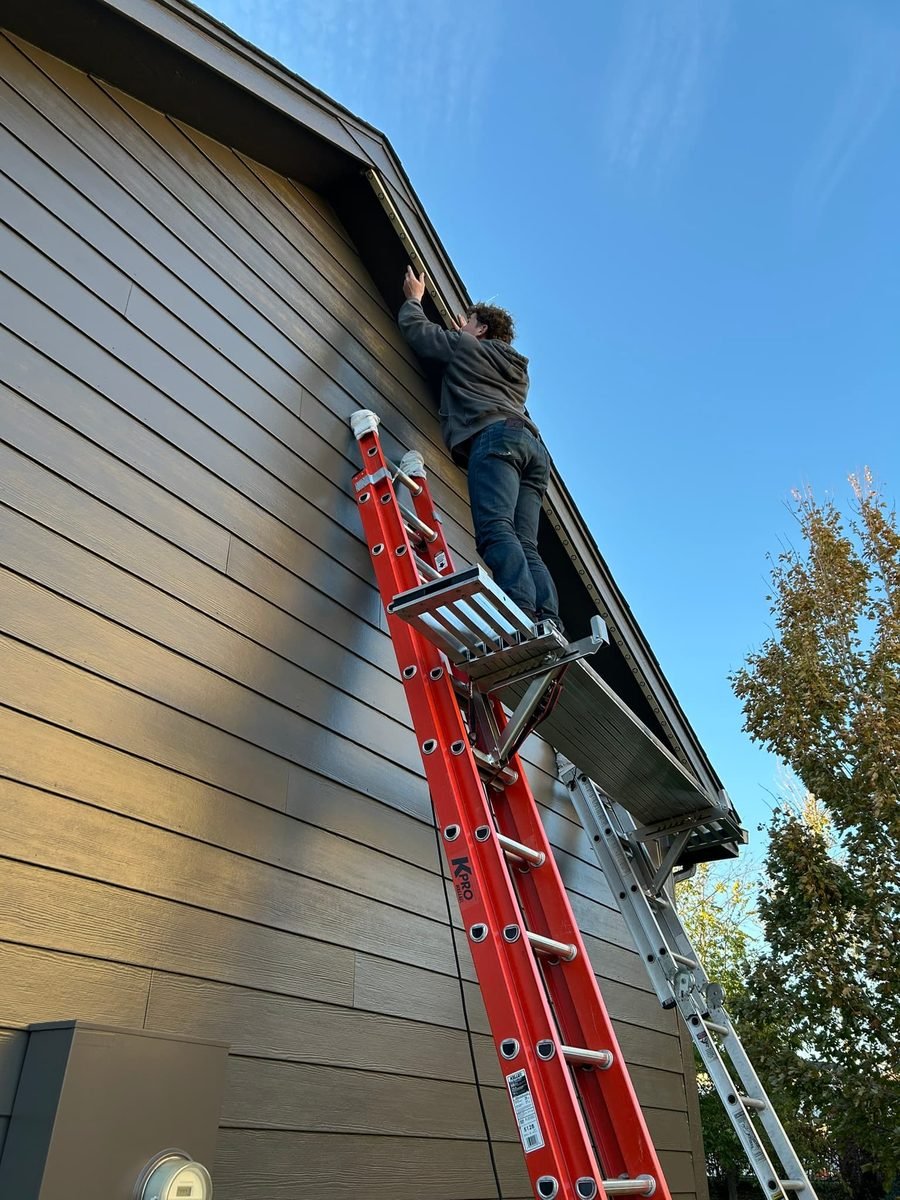
The U.S. Consumer Product Safety Commission reports that emergency rooms treat approximately 160 holiday decorating-related injuries per day during the winter season, with falls accounting for nearly half of those injuries. Staying off icy ladders is one of the main reasons Des Moines homeowners choose professional installation over doing it themselves.
My background as a fire medic gives me a practical understanding of physical risks and scene awareness on every job site. We handle the ladder work so you do not have to walk frozen rooflines or haul heavy equipment out in November weather.
Comparison of Outdoor Lighting Systems
Choosing between traditional seasonal bulbs and permanent LED lighting depends on how you plan to use your outdoor lights throughout the year.
| Feature | Seasonal C9 LED Lights | Permanent Low-Voltage Track Lighting |
|---|---|---|
| Power Draw | Low (7W per 100 mini-bulbs equivalent) | Very Low (Low-voltage LED diodes) |
| Visibility During Day | Visible bulbs and clips along roofline | Hidden channel matches fascia/soffit trim |
| Installation Schedule | Put up in fall, removed in January | Installed once for multi-year use |
| Usage | Holiday season focus | Year-round accent, architectural, and holiday lighting |
| Maintenance & Storage | Included storage and season fixes | Stays mounted permanently to home trim |
Questions People Ask
How much energy do low-voltage LED permanent lights actually save?
Low-voltage LED systems use 80% to 90% less electricity than traditional incandescent lighting strands. Because they draw low wattage, you can run them nightly for seasonal or year-round display without seeing a major change in your power bill.
Do I need extra electrical work to power seasonal roofline lights?
No. Standard seasonal installations run from your home's existing exterior outlets. The low energy draw of LED bulbs allows long roofline runs to operate on standard residential outdoor plugs.
What is the deadline to get the $5 per foot rate for seasonal lights in 2026?
To lock in the $5 a foot rate with a $500 minimum, your installation must be booked by November 14, 2026. The rate increases on November 15 and increases again on December 1.
How do multi-year agreements work for seasonal light installation?
Your first season is billed at full price. If you select a two-year agreement, you get 15% off your second season. If you select a three-year agreement, you get 20% off your second and third seasons.
To request your free satellite roofline estimate, fill out the form at contact.php or text your address directly to 515-585-9079.