LED Christmas lights use about 92% less energy, last longer, stay cool to the touch, and hold up better in freezing winter weather than traditional incandescent bulbs. While incandescent lights produce a classic warm glow and cost less upfront at the store, LEDs cost far less to run each season and rarely burn out.
If you are deciding how to light your roofline or trees this season, understanding the differences between these two bulb types will save you time and money. Here is a clear breakdown of energy use, brightness, durability, heat, and total value to help you decide what fits your home best.
Energy Use and Electrical Draw
The single biggest difference between LED and incandescent lighting is power consumption. Incandescent bulbs create light by heating a metal filament until it glows, which wastes most of the electrical energy as heat. LEDs use semiconductors to convert electricity directly into light.
According to ENERGY STAR, qualified decorative LED light strings use approximately 92% less energy than conventional incandescent light strings. That difference adds up quickly when lights run for several hours every evening from late fall through January.
Comparing Wattage Across Bulb Types
To put energy consumption in perspective, consider standard mini-light strands. A report from ENERGY STAR shows that a 100-lamp incandescent mini light set uses 36 to 48 watts, while a comparable LED set uses only 3.6 to 4.8 watts. Larger C9 bulbs—the classic large bulbs used along rooflines—show an even wider gap. A line of 100 incandescent C9 bulbs can pull over 700 watts, whereas the same length in C9 LEDs pulls closer to 100 watts.
How Power Draw Affects Your Outlets
Every home exterior has a limited number of outdoor electrical connections. Shimmer & Shine Lights runs seasonal installations from existing exterior outlets. When using incandescent C9 strands, plugging too many lines into a single circuit can overwhelm the line. With LED bulbs, you can connect significantly more strands end-to-end without exceeding standard residential outlet capacities. This makes planning a roofline layout simpler and avoids needing heavy extra extension cords across the yard.
Brightness, Appearance, and Color Quality
For years, homeowners stuck with incandescent lights because early LED versions looked harsh, blue, or flickering. Manufacturing has improved drastically over the last decade, and modern LEDs now match or exceed incandescent bulbs in visual appeal.
Warm White vs. Cool White LEDs
Early LED strings were known for a cold, bluish light. Today, manufacturers offer warm white LEDs that replicate the soft, yellowish hue of traditional incandescent bulbs. If you prefer a crisp, bright white that stands out against deep dark rooflines, cool white is available. You can read more about standard bulb sizes and shapes in our C9 vs. C7 vs. mini lights guide.
Color Consistency and Clarity
Incandescent bulbs use clear glass painted or coated on the outside. Over time, sunlight and harsh weather cause that paint to chip, fade, or peel, leaving spotty light behind. LED bulbs use colored plastic lenses or colored diodes, meaning the hue stays consistent for years. Color options like warm white, multicolor, red and white, or a custom mix hold their vibrancy throughout the entire season.
Heat Output, Durability, and Iowa Weather
Iowa winters present tough conditions for outdoor displays. Ice, freezing rain, strong wind, and heavy snow test any light set attached to gutters or fascia boards.
Heat Output and Bulb Failure
Incandescent bulbs generate substantial heat during operation. Data from the U.S. Department of Energy notes that about 90% of the energy used by incandescent bulbs is released as heat, with only 10% converted into light. This rapid heating and cooling cycle makes thin glass incandescent bulbs fragile. Cold rain or melting snow hitting a hot glass bulb can cause the glass to crack or burst.
LEDs remain cool to the touch even after running all night. Because they release very little heat, they do not stress the surrounding casing or create hot spots near dry leaves or wooden trim.
Lifespan and Cold Weather Performance
LEDs are solid-state lights built with durable epoxy plastic rather than thin glass shells and delicate wire filaments. Dropping a line of LEDs onto concrete during installation rarely breaks a bulb, whereas incandescent bulbs fracture easily. According to ENERGY STAR, qualified decorative light strings can last up to 10 times longer than traditional incandescent strands.
In central Iowa, cold temperatures set in early. According to Iowa Weather, the median date for the first 32°F freeze in Des Moines is October 19. Solid plastic LED bulbs endure sub-zero temperatures and wind gusts without cracking or shaking their filaments loose.
Upfront Cost vs. Long-Term Value
Price is often the primary reason people consider incandescent lights. Store-bought incandescent strands remain cheaper upfront on retail shelves, but they carry hidden costs down the road.
Retail Bulb Purchases for DIY Setups
If you are hanging your own lights on a small, easy single-story run, buying cheap incandescent strands from a local store will cost less on day one. For a straightforward, single-story home where you can safely reach the gutters from a short ladder, doing it yourself is usually cheaper, and there is nothing wrong with taking that route.
However, keep in mind that incandescent strands require frequent bulb replacements. When one bulb goes out or loses connection on an older incandescent strand, large sections of the line can go dark, requiring time spent troubleshooting on a cold day.
Commercial Custom-Fit Seasonal Installation
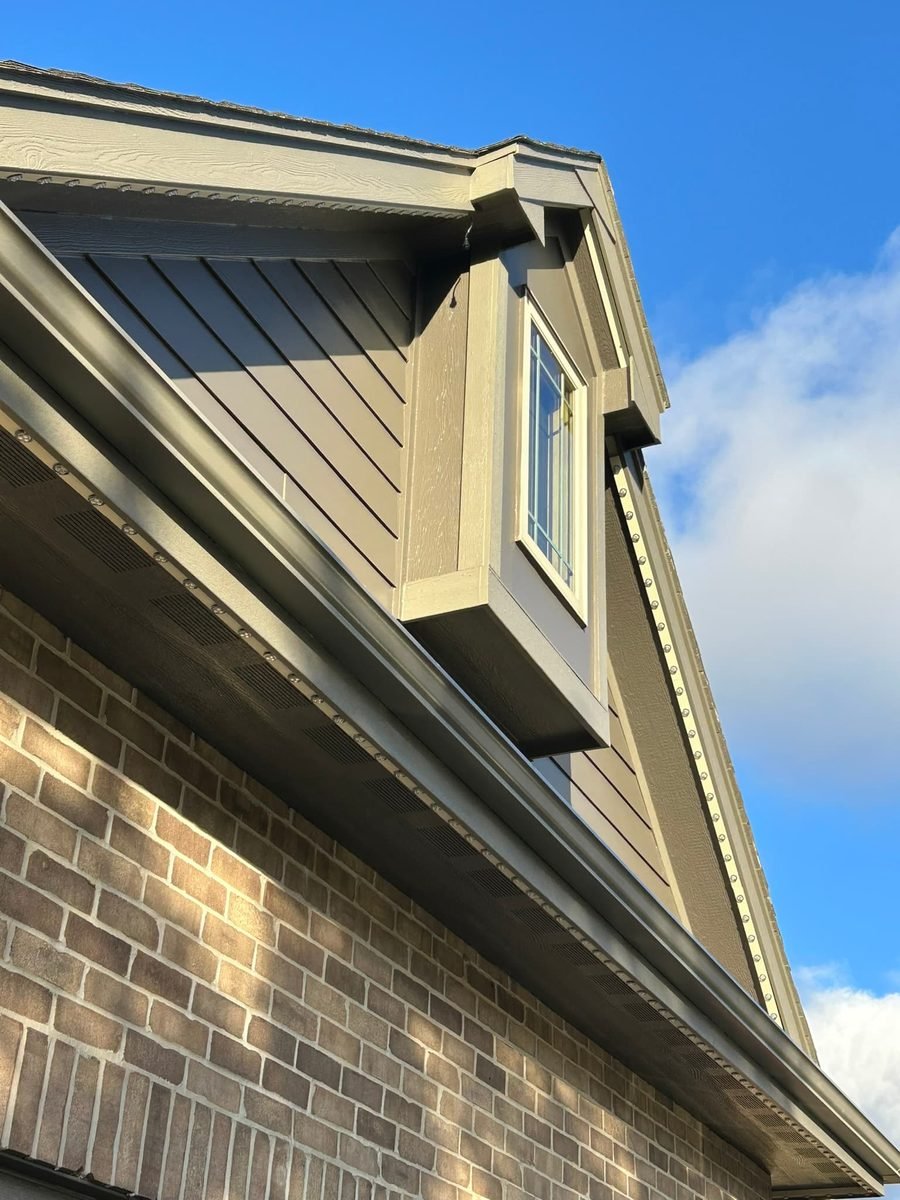
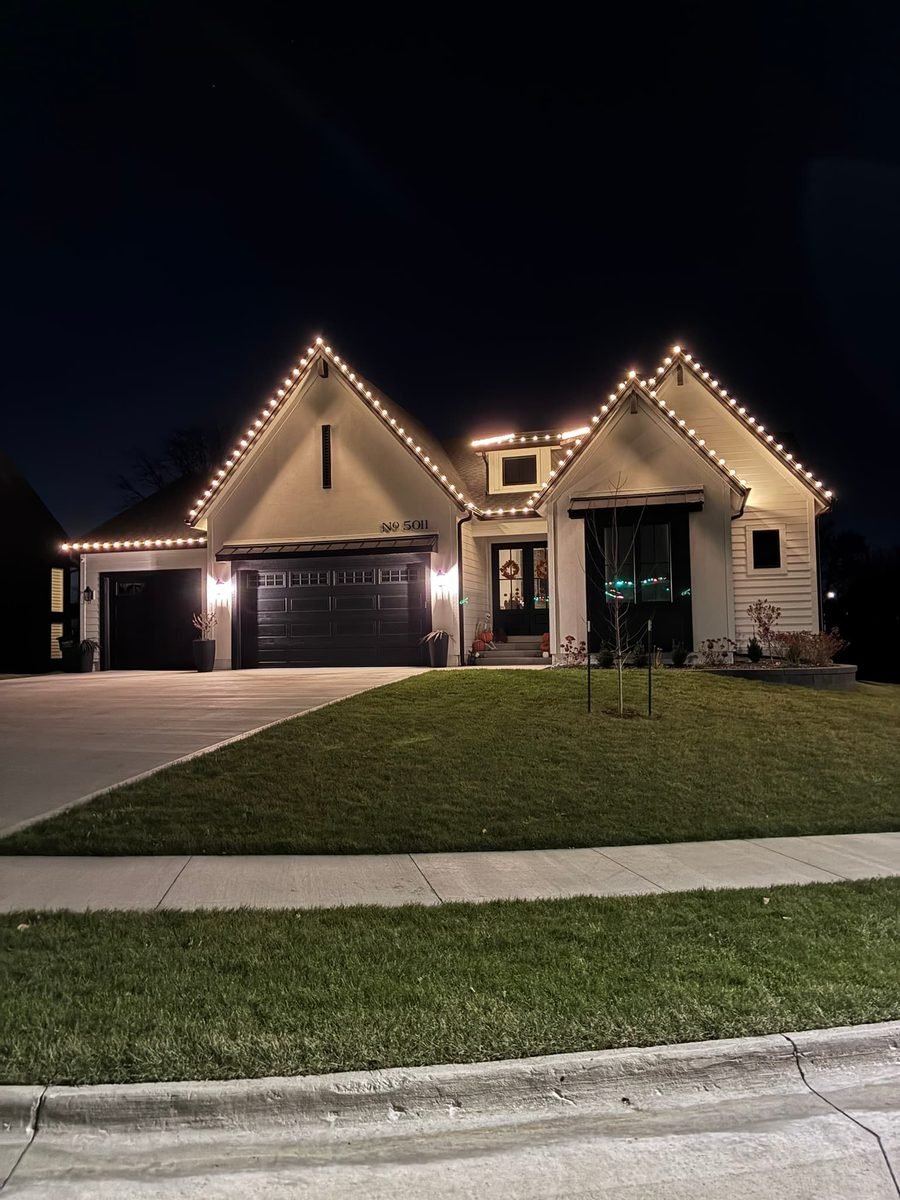
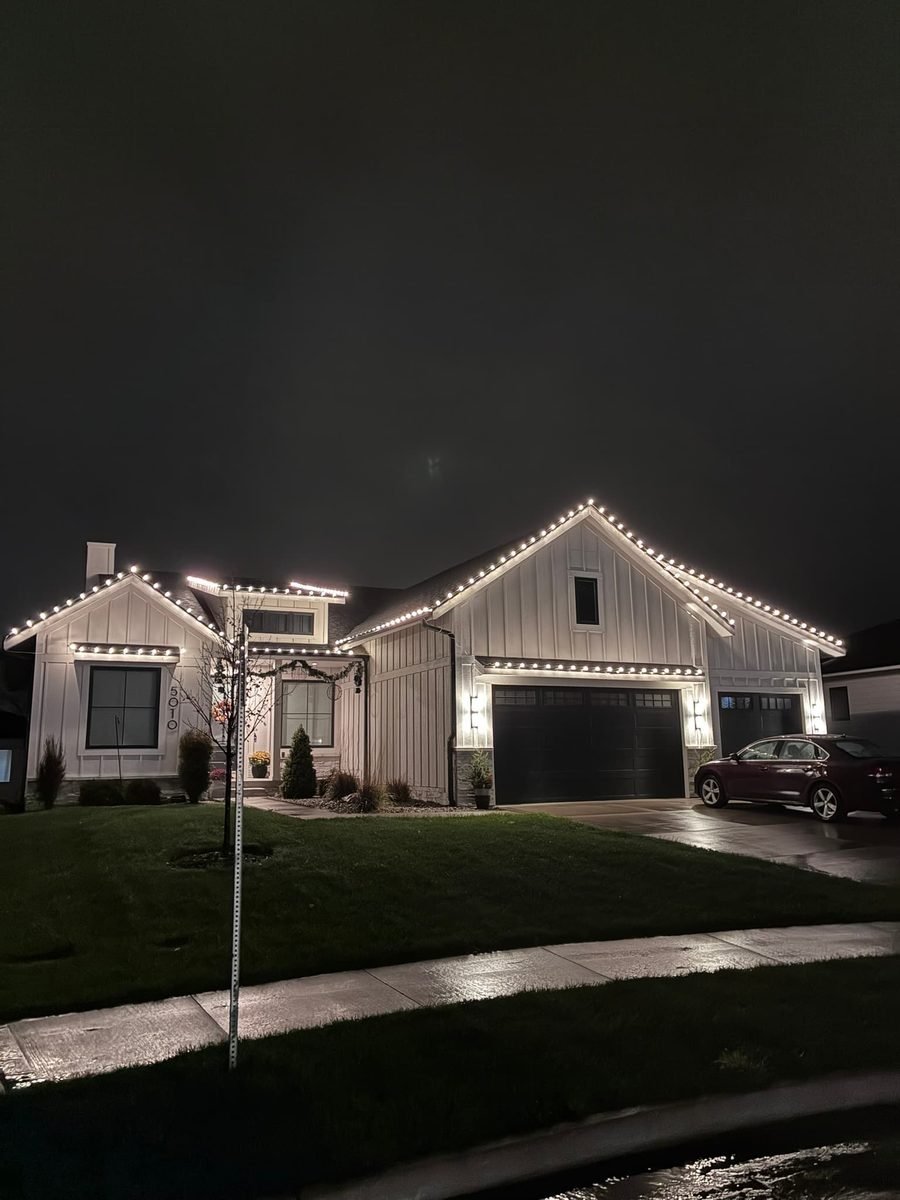
When you hire a service, light quality makes a direct difference in service life and performance. At Shimmer & Shine Lights, I use custom-cut LED lighting sets fitted specifically to the roofline of each house. Clips attach without nails or screws wherever the roofline allows, ensuring lines stay straight without altering the structure.
Our seasonal service covers measurement, lights cut to the house, professional installation, fixes all season long, takedown in January, and off-season storage until next October. Homeowners can choose exactly which parts of the roofline are lit, whether that is just the front peaks or the full perimeter. Colors cost the same regardless of choice: warm white, multicolor, red and white, or a custom pattern.
Comparing LED and Incandescent Lights
Here is how the two lighting technologies stack up side-by-side across major categories:
| Feature | LED Christmas Lights | Incandescent Christmas Lights |
|---|---|---|
| Energy Use | Uses 90% to 92% less electricity | High electricity draw |
| Bulb Lifespan | Up to 20,000 to 50,000 hours | 1,000 to 3,000 hours |
| Durability | Thick epoxy plastic casing; hard to break | Thin glass bulbs; fragile filaments |
| Heat Output | Stays cool during operation | Releases 90% of energy as heat |
| Bulb Color | Durable colored plastic lenses; non-fading | Painted glass shells; chips over time |
| Strands Per Outlet | Dozens of strands connected safely | Limited strands per outlet circuit |
| Upfront Store Cost | Higher initial store purchase price | Lower initial store purchase price |
Installing Lights Yourself vs. Hiring Help
Deciding between handling the job yourself or hiring an installer often comes down to roof height, schedule, and ladder comfort. Working on roofs in late fall comes with real risks. Figures from the Centers for Disease Control and Prevention show that roughly 20% of all work and home fall injuries involve ladders, leading to more than 150,000 emergency room visits annually. You can read a detailed breakdown of the trade-offs in our article on doing it yourself versus hiring a light installer.
Before starting Shimmer & Shine Lights, I worked as a fire medic. Today, my crew and I handle seasonal installations for homeowners across the Des Moines metro area.
Des Moines Metro Towns Served
In central Iowa, we serve Adel, Ankeny, Clive, Dallas Center, Grimes, Johnston, Norwalk, Urbandale, Waukee, West Des Moines, and Windsor Heights.
How Pricing and Scheduling Work
Pricing is based strictly on the linear footage of your roofline. Booked by November 14, 2026, the rate is $5 a foot with a $500 minimum. The rate steps up on November 15 and again on December 1. Check out our pricing guide to see how rates work throughout the fall.
The first season is full price. A three-year agreement takes 20% off the next two seasons, while a two-year agreement takes 15% off the second season. No deposit is required normally; payment is due when the install is finished. We accept cash, check, card, Venmo, and Cash App.
Installs start in mid-October and run Monday through Saturday. We schedule by route so neighboring homes often share an install date. The two weeks right before Thanksgiving are our busiest time. Reminders are sent via text message prior to install day and prior to January takedown. If you prefer lighting that stays up permanently without seasonal setup, read about our permanent year-round track lighting options.
Owner Recommendation
For almost every homeowner, LED is the better choice. The small extra upfront cost for LED strands is recovered within a season or two through lower electric bills and zero expenditure on replacement bulbs. LEDs perform reliably in Iowa freezing rain, stay vibrant, and allow clean installations without tripping breakers.
Incandescent lights only make sense if you are putting up a short, temporary strand on a ground-level porch and already own the lights. For rooflines, high peaks, or full-property displays, LED custom lighting is the standard for long-lasting, trouble-free holiday lighting.
Questions people ask
Can you mix LED and incandescent lights on the same strand?
No. You should never mix LED and incandescent bulbs on the same line or plug them together end-to-end. Incandescent bulbs draw significantly more electrical current than LEDs. Connecting them can damage the LED diodes, blow fuses, or melt the wire casing.
Do LED lights melt snow on the roofline?
LEDs do not produce enough surface heat to melt heavy snow or ice off a roof edge. While incandescent bulbs do generate heat, that heat causes uneven melting that can freeze into icicles or ice dams along your gutters. LEDs stay cool, leaving snow to thaw naturally without heat spots.
Are warm white LEDs as warm as traditional incandescent bulbs?
Yes. Modern warm white LED bulbs are designed to match the 2700K to 3000K color temperature of classic incandescent lighting. They deliver the same soft glow without the high power consumption or fragility of glass bulbs.
How do I get an estimate for Christmas light installation?
To get a estimate, send your home address. Tate measures the roofline using satellite imagery and texts back a ballpark estimate, usually the same day. Nobody comes to your house for that initial step. A firm price is provided after an in-person measurement and written into a service agreement before anything goes up. Once signed, that price is held even if general rates later rise.
To request your free satellite estimate, submit your details through our contact form or text your address directly to 515-585-9079 between 8am and 7pm any day of the week.