Standard LED Christmas lights are rated to last 25,000 to 50,000 operating hours. Older incandescent light strands typically last only 1,000 to 2,000 hours before burning out.
For a typical homeowner running display lights six hours a night for two months, an LED strand can last over ten seasons. Understanding bulb life helps you decide whether to reuse older strands, buy new lights, or hire out your display setup.
Operating Life: LED vs. Incandescent Lights
Bulb technology is the biggest factor in how long a strand of lights stays bright. Older styles rely on heated filaments, while modern options use solid-state diodes.
Incandescent Bulbs
Traditional incandescent Christmas lights rely on a tiny tungsten filament inside a glass envelope. That filament glows hot to produce light. Over time, heat weakens the wire until it snaps.
According to Direct Energy, traditional incandescent Christmas light strings typically last only 1,000 to 2,000 hours. If you run incandescent lights for six hours every night, a strand may fail after two or three holiday seasons. Heat also weakens the surrounding plastic sockets and discolors the glass. To learn more about how these bulb styles compare on a roofline, read our guide on LED vs. incandescent Christmas lights.
LED Bulbs
Light-emitting diodes (LEDs) do not use filaments. Instead, electrical current moves through a semiconductor chip to create light. Because there is no filament to burn through, LEDs last significantly longer.
The same study from Direct Energy notes that LED light strings are rated to last up to 25,000 to 50,000 operating hours. Even at the lower end of that range, 25,000 hours translates to roughly 4,000 nights of use.
LEDs are also much more efficient. Data published by the U.S. Department of Energy shows that LED holiday light strands consume 70% to 90% less electricity and generate far less heat than equivalent incandescent light strands. Furthermore, ENERGY STAR reports that ENERGY STAR rated decorative light strings use approximately 92% less energy than conventional incandescent light strings.
How Many Hours Do You Use Lights Each Season?
To estimate how many years your Christmas lights will last, you need to calculate your seasonal operating hours. Most homeowners turn their lights on around dusk and turn them off around bedtime.
Calculating Seasonal Hours
Here is a basic calculation for a typical season:
- Daily use: 6 hours per night (from 5:00 PM to 11:00 PM)
- Season length: 60 days (from mid-November through mid-January)
- Total seasonal hours: 360 hours per year
At 360 hours per year, an incandescent strand rated for 1,500 hours will last roughly four seasons under ideal conditions. An LED strand rated for 30,000 hours will mathematically last over 80 seasons. In the real world, outdoor weather degrades plastic components long before the diode fails. Still, seven to ten seasons of real-world use is common for well-built LED strands.
Weather and Cold Factors in Iowa
Operating hours are only part of the story. Weather in the Des Moines metro causes physical wear on light sets. Cold temperatures make plastic wire insulation stiff, and high winds pull on connections.
Freezing temperatures arrive early in central Iowa. Historical records from the National Weather Service show that the earliest recorded initial occurrence of 36°F in Des Moines occurred on September 13, 1902. When frost, moisture, and wind combine, cheap light sockets can crack. Moisture gets inside, causing internal corrosion long before the diode reaches its hourly limit.
Signs a Light Strand Needs Replacing
Just because an LED bulb can light up does not mean the strand is safe or functioning well. You should inspect your lights every fall before putting them up.
1. Discolored or Cracked Insulation
Sunlight breaks down plastic over time. If the green or white wire coating looks faded, chalky, or has visible cracks, water can enter the strand. Cracking wire insulation means it is time to throw the strand away.
2. Rust inside Sockets
Pull out a few removable bulbs or check the base of sealed units. If you see brown or orange rust in the socket, moisture has damaged the metal contacts. Rust leads to flickering and intermittent power failures across the entire run.
3. Half the Strand Is Out
Many retail light sets are wired in series circuits. When a key resistor or bulb connection breaks, an entire section goes dark. Tracing individual bad bulbs on an old strand takes hours. Replacing the strand is usually more practical.
4. Dim or Color-Shifted LEDs
As LEDs age, their light output can slowly drop. If you mix old LED strands with brand-new ones, you may notice the old bulbs look dull or have shifted color tint. Replace older strands so your roofline maintains an even glow.
Comparing Light Types and Lifespans
Here is a quick look at how different light options hold up over time under typical seasonal use.
| Light Type | Rated Lifespan (Hours) | Expected Seasons (6 hrs/night) | Common Failure Point |
|---|---|---|---|
| Incandescent Mini Lights | 1,000 – 1,500 | 2 – 4 seasons | Filament burn-out, crushed bulbs |
| Incandescent C9 Bulbs | 1,500 – 2,000 | 3 – 5 seasons | High heat, cracked glass |
| Seasonal Retail LEDs | 20,000 – 30,000 | 6 – 10 seasons | Wire corrosion, thin socket plastic |
| Seasonal Custom LEDs | 30,000 – 50,000 | 8 – 12+ seasons | General weather degradation |
| Permanent Track LEDs | 50,000+ | 15+ seasons | Control module or driver failure |
DIY Hanging vs. Seasonal Installation Services
For a simple, single-story run on a straight roofline, hanging your own lights is usually cheaper. Buying a few LED strands at a retail store and clipping them to lower gutters is straightforward if you have the time.
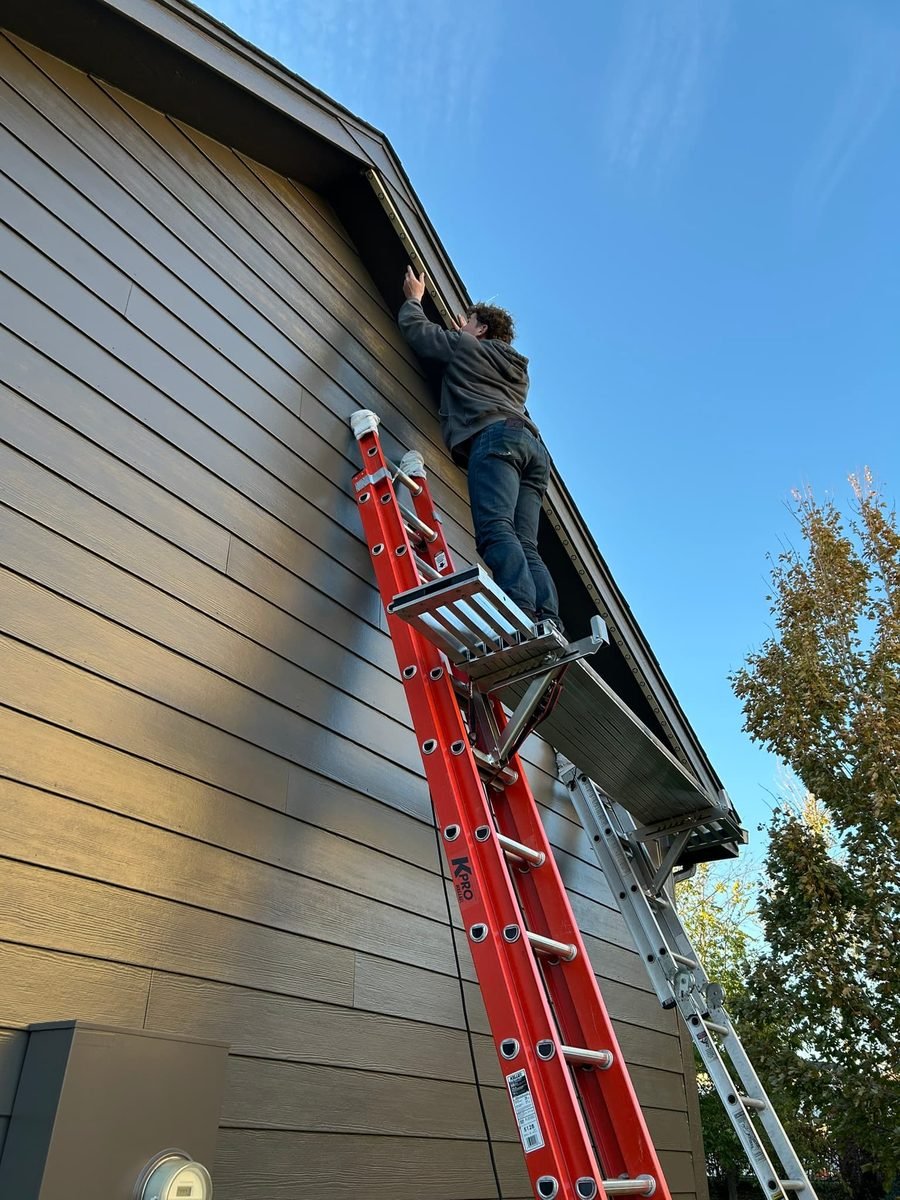
However, spending hours on a ladder in freezing weather carries real risks. The U.S. Consumer Product Safety Commission reports that nearly 15,000 emergency room visits nationwide occur during the holiday season due to decorating-related accidents. Falls from ladders or elevated surfaces account for nearly half of all decorating injuries. If you want to weigh your options between self-installation and hiring help, check out our guide on DIY vs. hiring a Christmas light installer.
How Shimmer & Shine Lights Works
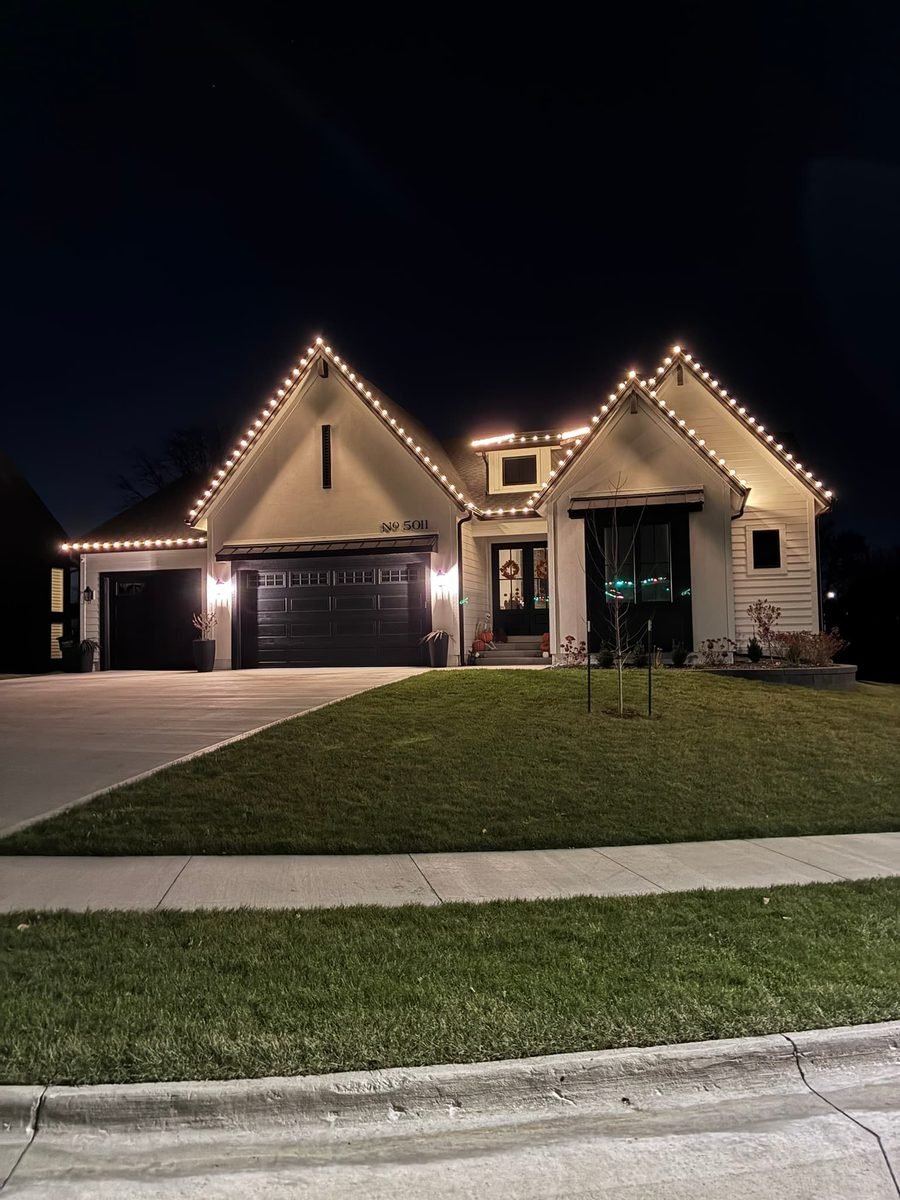
If you prefer not to climb ladders or store lights in your garage, Shimmer & Shine Lights handles full-service installations across the Des Moines metro. My name is Tate, and I answer the phone directly. We serve Adel, most of Ankeny (excluding the far east side), Clive, Dallas Center, Grimes, Johnston, Norwalk, Urbandale, Waukee, West Des Moines, and Windsor Heights.
Our seasonal service is priced simple: one price per foot of roofline. You choose which parts of the house get lit, whether that is just the front peaks or the entire perimeter. You can pick warm white, multicolor, red and white, or a custom mix for the same price. One price covers:
- Measuring your home from satellite imagery for an estimate
- Custom-cutting lights to fit your exact roofline
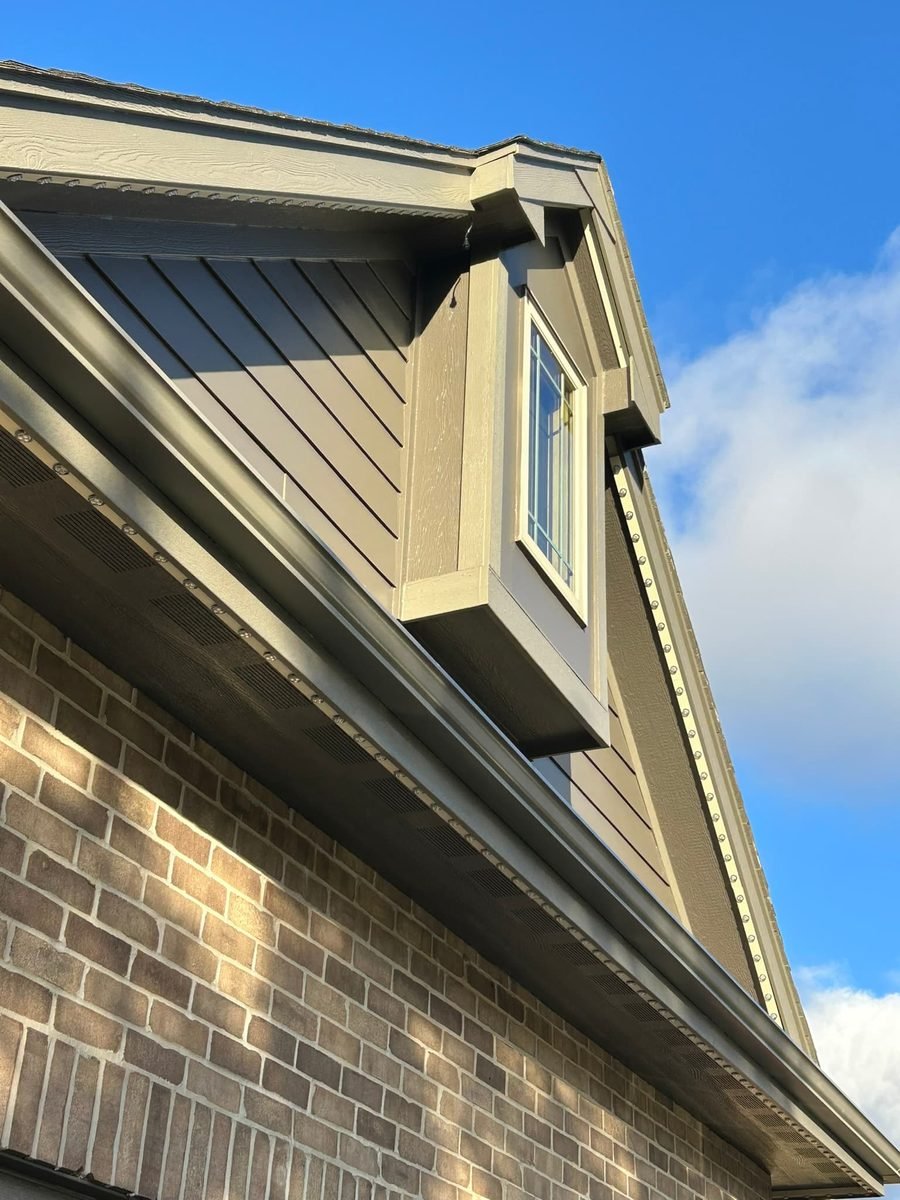
- Installing lights using non-damaging clips wherever the roofline allows
- Handling any maintenance or bulb fixes all season long
- Taking down the display in January
- Storing the lights in our facility until next October
For the 2026 season, if you book by November 14, 2026, the rate is $5 per foot with a $500 minimum. The rate goes up on November 15 and rises again on December 1. Your first season is full price. If you choose a three-year agreement, you take 20% off the next two seasons. A two-year agreement takes 15% off the second season.
Installs begin in mid-October and run Monday through Saturday. We book by route so neighbors often share an install day. We send a reminder text before install day and before takedown. We also offer permanent year-round track lighting if you want lights built into your trim. You can read details on our permanent holiday lights page.
If you want to see options for seasonal setup, learn more on our pricing details page.
Questions People Ask
Do Christmas lights use a lot of electricity?
Incandescent lights draw noticeable power, but LED lights draw very little. Switching to LED strands reduces power draw by 70% to 90%, keeping electric bills low even if lights run six to eight hours a night all season.
Should I leave my Christmas lights on all night?
It is best to turn lights off before going to bed or use a simple timer. Running lights six hours a night instead of 24 hours quadruples the calendar years your lights will last and reduces unnecessary wear on the bulbs.
Why do some LED bulbs flicker?
Some cheap retail LED sets use half-wave rectifiers, which pulse at 60 cycles per second. Higher-quality LEDs use full-wave rectifiers, supplying steady power so the light stays smooth and solid to the eye.
Can I leave outdoor Christmas lights up all year?
Standard seasonal Christmas light strands are not built for constant sun exposure. Year-round UV rays break down wire insulation quickly. If you want lights left up permanently, choose system tracks built specifically for permanent architectural mounting.
Get a free estimate for your home by filling out the form at /contact.php or by texting Tate at 515-585-9079.