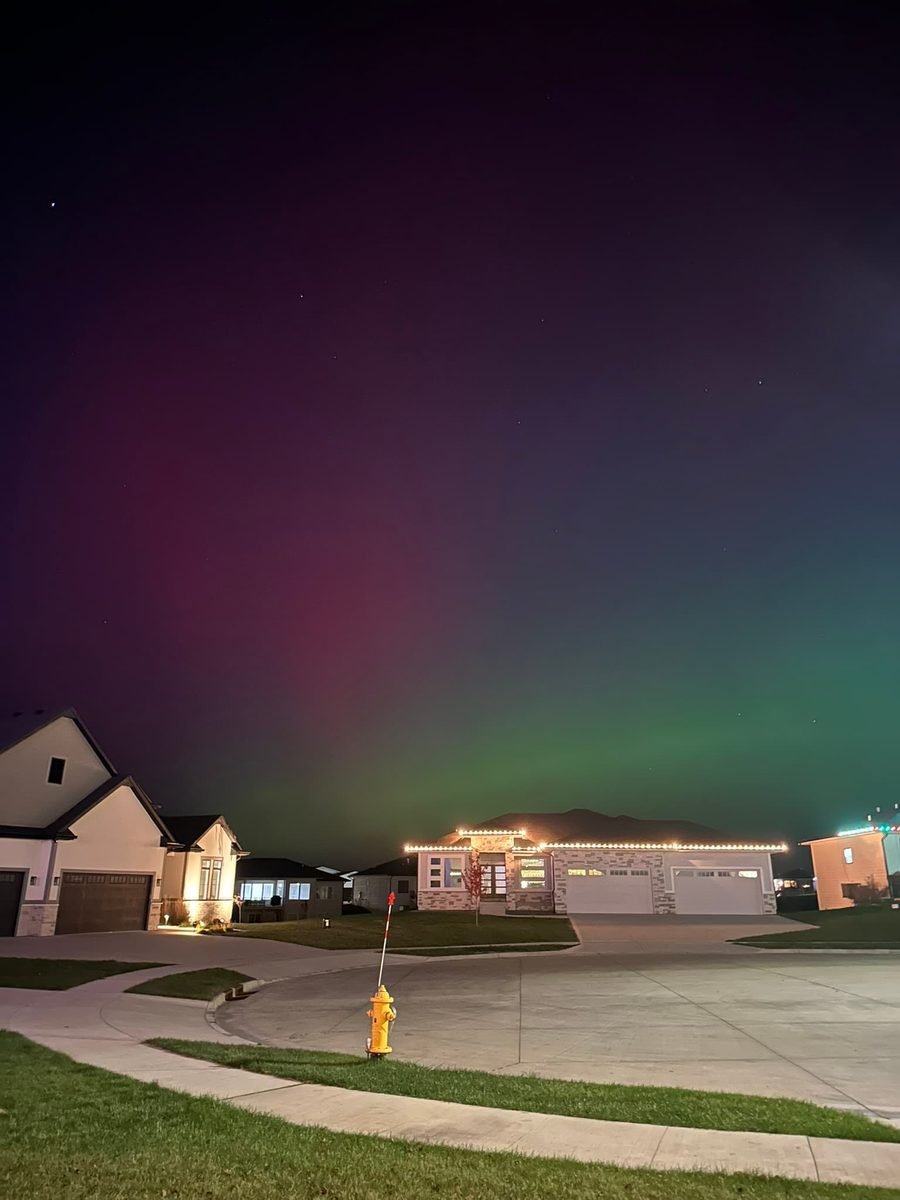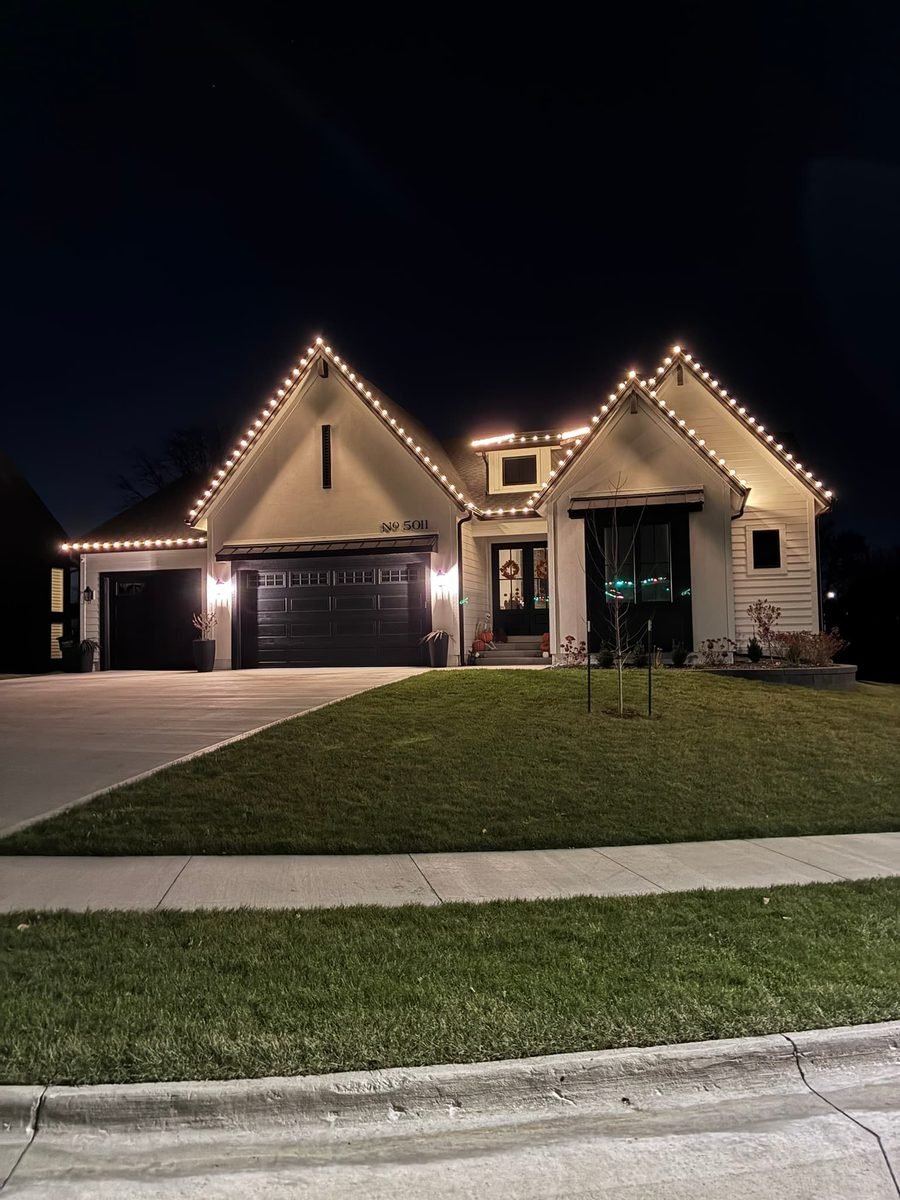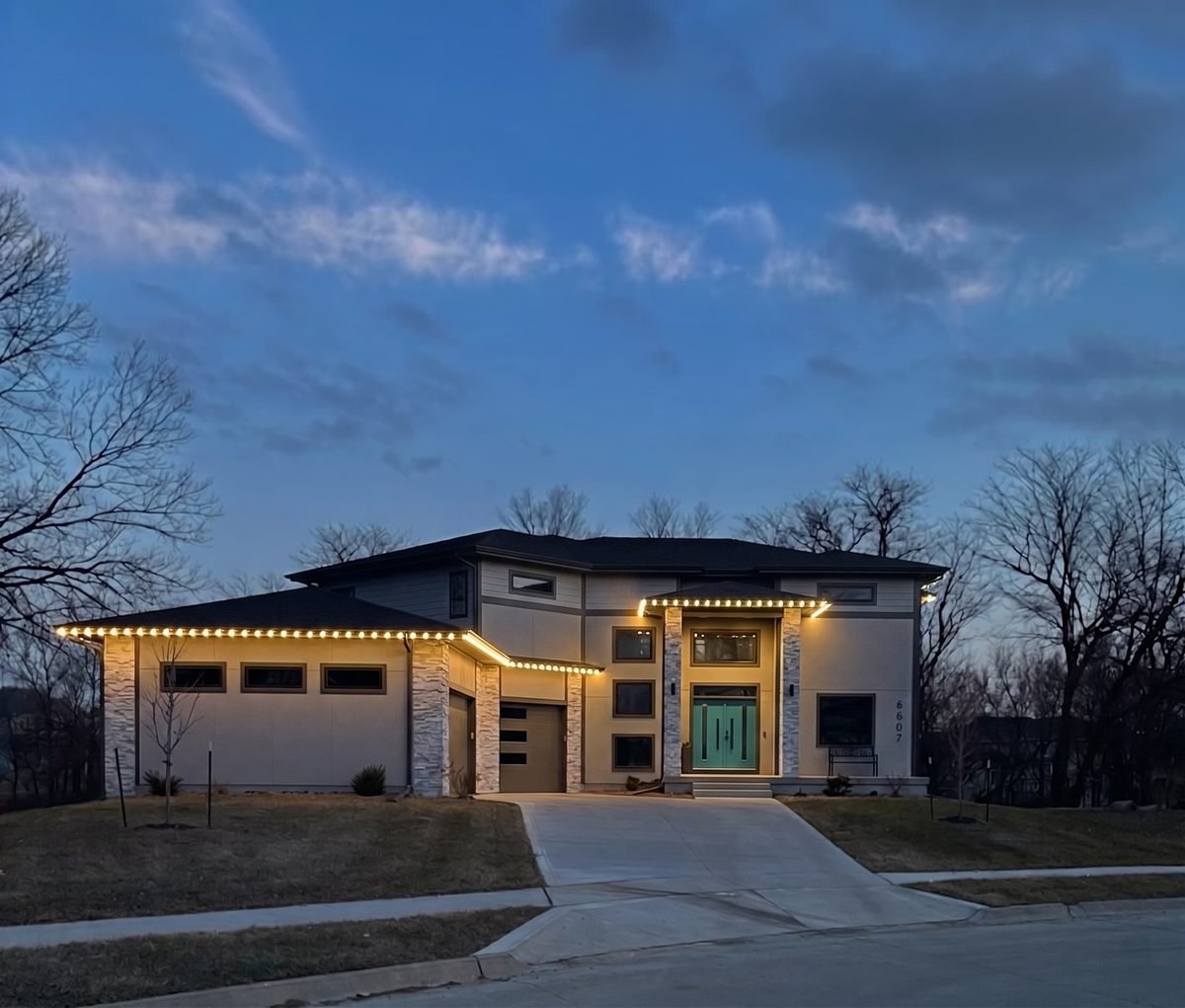
Most homeowners take down Christmas lights between January 1 and January 6, following the traditional Epiphany holiday. Standard safety guidelines also limit temporary seasonal lights to 90 consecutive days of outdoor use.
Deciding when to pack away your display involves balancing holiday traditions, weather conditions, and personal schedule constraints. If you live in the Des Moines metro area, local winter conditions play a major role in choosing the safest week for the job.
Common Timelines for Removing Christmas Lights
Homeowners generally follow one of three main schedules when removing holiday displays.
January 1: The New Year Reset
Many people prefer to start the new year with a clean slate. Taking lights down on New Year's Day or during the first weekend of January clears the exterior before everyday work routines resume. It is a practical choice for anyone who wants the project finished early.
January 6: The Feast of the Epiphany
Christian tradition marks the Twelve Days of Christmas ending on the eve of Epiphany, which falls on January 6. Leaving decorations lit through January 5 remains a popular standard worldwide. Removing lights on January 6 keeps the holiday spirit intact through the entire traditional season.
Mid-to-Late January
Some homeowners leave exterior displays lit through the middle or end of January to brighten long winter nights. While this keeps the neighborhood lit longer, it increases exposure to harsh Midwestern winter weather.
Safety Standards and Electrical Limits
Holiday lighting systems carry practical limits on how long they should stay outdoors. Understanding these guidelines helps prevent damage to equipment and home electrical systems.
According to the American National Standards Institute, UL Safety Standard 588 classifies seasonal holiday lighting strings as temporary-use products intended for installation periods not exceeding 90 consecutive days. Leaving temporary strands outdoors past three months exposes wiring, plugs, and insulation to sun degradation and moisture intrusion.
Electrical connections also require proper spacing and handling. The Harborview Injury Prevention & Research Center notes that standard UL 588 safety rules restrict connecting more than three incandescent light strands together, whereas lower-wattage LED strings can safely connect up to 50 sets end-to-end on a single outlet.
Winter Weather Factors in Iowa
Sub-zero temperatures and icy conditions make winter roof work challenging. Planning takedown around weather forecasts helps avoid working on slick surfaces.
National Weather Service climate records published by Catch Des Moines show an average January daily high of 31°F and an average low of 14°F in Des Moines. These freezing temperatures cause exterior wiring to stiffen and outdoor moisture on ladders to freeze.
Cold plastic clips become brittle and snap easily when forced. Stiff light cords resist neat folding, making storage more difficult if handled during severe cold snaps. Removing lights during a brief January thaw prevents damaged equipment and reduces personal safety risks.
Personal Risk and Safety Considerations
Working on ladders during winter months carries real physical hazards. Icy ground, frozen gutters, and cold wind increase the chance of slipping.
Data compiled by the Wisconsin Hospital Association shows that the U.S. Consumer Product Safety Commission estimates emergency departments treat roughly 160 decorating-related injuries per day during the holiday season, with falls accounting for nearly half of those incidents.
Ladder usage represents the largest single cause of serious decorating accidents. According to the Centers for Disease Control and Prevention, falls from ladders account for 43% of all emergency room visits related to holiday decorating injuries. You can review more details about these physical factors on our roof safety page.
DIY Takedown vs. Hiring Professional Help
Deciding whether to remove lights yourself or hire assistance depends on the height and design of your home roofline.
For a small, easy single-story run, hanging and taking down your own lights is usually cheaper. If your house has steep pitches, high peaks, or multiple stories, professional handling eliminates personal ladder work during freezing weather. You can read a direct comparison on our DIY vs. hiring guide.
| Factor | DIY Takedown | Professional Takedown |
|---|---|---|
| Cost | Free (personal labor) | Included in full service package |
| Safety Risk | Requires climbing ladders in winter | Handled by trained crew |
| Timing | Done whenever personal time allows | Scheduled systematically in January |
| Storage | Requires home garage or attic space | Stored off-site in labeled totes |
How Professional Takedown Works
Shimmer & Shine Lights provides complete seasonal removal as part of every installation order. Tate handles estimates directly and coordinates installation and removal schedules across the region.
Shimmer & Shine Lights installs Christmas and holiday lights on homes in the Des Moines metro. Des Moines area towns served include Adel, Ankeny, Clive, Dallas Center, Grimes, Johnston, Norwalk, Urbandale, Waukee, West Des Moines, and Windsor Heights.
Scheduling and Notification
Takedown happens in January and is included with your setup. Customers get a reminder text before install day and before takedown. You do not need to sit outside or watch the crew work.
Removal and Packing Methods
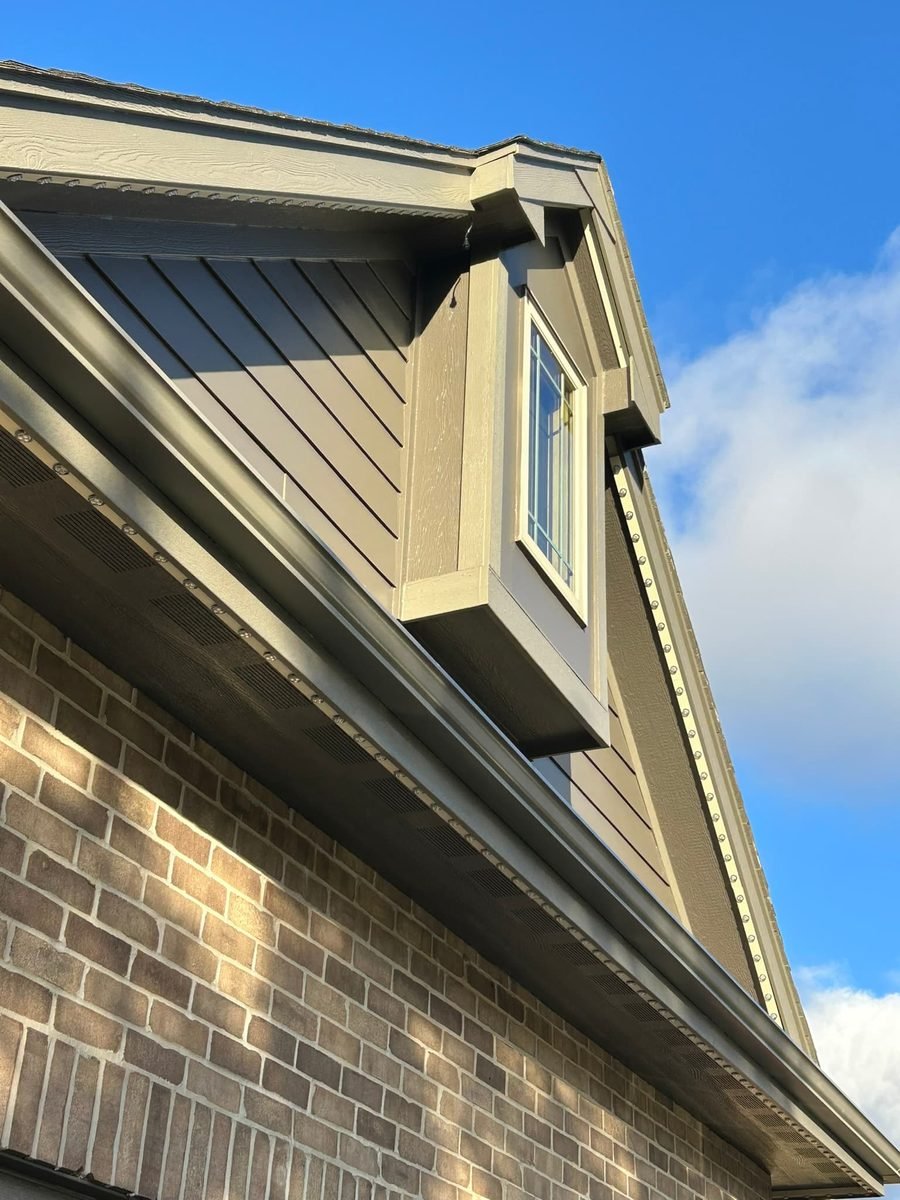
Clips attach without nails or screws wherever the roofline allows. During removal, the crew unclips strands without tugging on exterior trim or gutters. The installation runs from existing exterior outlets, so unplugging the system takes seconds.
Off-Site Storage
One price covers measurement, lights cut to the house, the install, fixes all season, takedown in January, and storage of the set until the next October. You can read details about seasonal maintenance and off-site organization on our seasonal lights page and our christmas light storage page.
Booking Rules and Pricing Structure
Pricing is calculated by the foot of roofline. Customers choose which parts of the roofline are lit; just the peaks or just the front is fine. Colors cost the same whether you select warm white, multicolor, red and white, or a custom mix.
Booked by November 14, 2026, the rate is $5 a foot with a $500 minimum. The rate steps up on November 15 and again on December 1. The first season is full price. A three-year agreement takes 20% off the next two seasons, while a two-year agreement takes 15% off the second.
Installs start mid-October and run Monday through Saturday, booked by route so neighbors often share a day. The two weeks before Thanksgiving are the busiest period. No deposit is normally required, and payment is due when the install is finished by cash, check, card, Venmo, or Cash App.
If you prefer a permanent setup that stays up year-round without yearly takedowns, learn about custom color-changing track systems on our permanent lights page.
Questions People Ask
Do I need to be home when my lights are taken down?
No. As long as exterior outlets are accessible and gates are unlocked, removal crews complete the work from the outside. You will receive a notification text before the crew arrives.
What happens if bad weather hits on my scheduled takedown date?
Removal shifts slightly to ensure safe climbing conditions. Ice storms and extreme sub-zero wind chills cause temporary delays until ladder footings are clear and safe to climb.
Can seasonal lights be left outdoors all year long?
No. Temporary seasonal strands degrade under sun exposure and temperature shifts. Standard UL guidelines recommend removing temporary light strings within 90 days to prevent insulation cracking.
How do I request a cost estimate for my home?
To get a free estimate, send your address. Tate measures the roofline from satellite imagery and texts a ballpark back, usually the same day. Nobody comes to your house for that initial step. A firm price comes after an in-person measurement and is written into a service agreement signed before anything goes up. A signed price is held even if rates later rise.
To request a free satellite estimate for your home, visit our contact page or text 515-585-9079 any day between 8am and 7pm.