Outdoor Christmas lights in snow continue to function reliably when fitted with outdoor-rated components and attached firmly along rooflines with dedicated plastic clips. Heavily packed snow and freezing ice place direct physical weight on bulb strands, but properly fitted lines and sealed connections keep water out and prevent sagging during winter blizzards.
Weather-Rated Equipment for Iowa Winters
Winter weather in central Iowa brings cold temperatures, high winds, and heavy snowfall. According to National Weather Service climate records published by MyWild Report, Des Moines, Iowa typically experiences its first measurable snowfall around November 11. Knowing how lighting gear performs in sub-zero weather helps homeowners choose options that last through January.
Standard indoor lights lack the weather seals needed to withstand freezing conditions. Outdoor light strands feature heavy-gauge wire insulation that remains flexible when the temperature drops below freezing. Stiff, unrated wire outer casings become brittle in low temperatures, cracking under stress when wind pulls on the line. Weather-sealed socket assemblies hold individual C9 or C7 bulbs tightly, preventing melted snow from seeping into the electrical connection points.
Modern LED light strands are particularly suited for snow and ice conditions. LED bulbs do not rely on fragile heated filaments housed inside glass envelopes. Instead, solid-state light-emitting diodes sit inside thick acrylic hulls that resist cracking when struck by falling icicles or heavy snow drifts. LED holiday light strands consume up to 70 percent less energy than conventional incandescent lights according to the U.S. Department of Energy. Because LEDs generate very little surface heat, they do not create rapid melt-and-refreeze cycles on roof edges, reducing the formation of large ice icicles around bulb sockets.
Securing Lights to Rooflines Before the Snow Hits
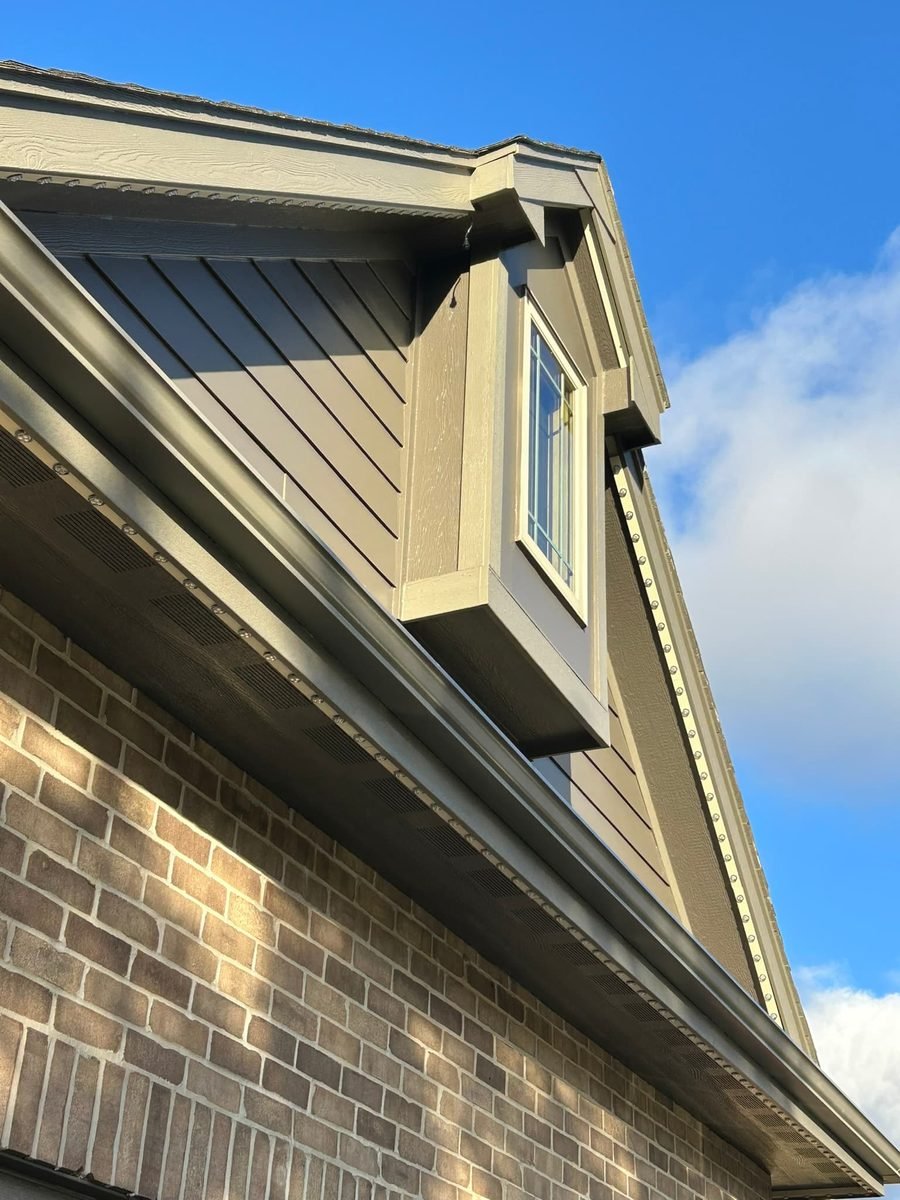
How lights are attached determines whether they remain straight after a snowstorm or collapse under the weight of wet powder. Stapling wires into wood fascia or pounding nails into trim damages wood surfaces, leaves holes for moisture entry, and cuts wire insulation. Modern light setups rely on custom plastic clips designed to hold strands flat against gutters, shingles, or metal trim.
Clips attach without nails or screws wherever the roofline allows. These clips slide directly onto gutter edges or grip under individual roof shingles. The clip cradles the C9 bulb socket directly, holding the bulb upright or pointing straight out. When snow slides down the roof surface, a properly clipped strand stays tight to the trim rather than catching sliding sheet ice.
For homeowners managing simple setups, installing display lights manually remains a popular choice. For a small, easy single-story run, hanging your own lights is usually cheaper. However, ladder work on cold, icy ground carries real risks during late autumn and early winter. Hospital emergency departments treat between 14,000 and 19,500 holiday decorating-related injuries each winter season according to data from the U.S. Consumer Product Safety Commission. Furthermore, approximately 43% of holiday decorating fall injuries involve falls from ladders based on a report by the Centers for Disease Control and Prevention. Homeowners weighing their options can read a straight comparison on our DIY vs hiring Christmas lights page.
How Snow Loads and Ice Impact Light Strands
Snow load refers to the total weight of accumulated snow resting on a structure or fixture. Light snow exerts minimal pressure on roofline wires. Wet, heavy slush combined with wind-driven drifts puts substantial downward weight on hanging lines. When ambient temperatures hover near freezing, snow gathers along roof edges, melting during daytime hours and freezing solid at night.
When light strands sag loose across a roof valley or dip below gutter lines, snow accumulates on top of the slack wire. As the snow pack settles, the weight pulls down on the line, pulling loose store-bought clips or sagging wires toward the ground. Custom-cut light runs minimize slack. Wires measured and cut specifically to fit a home's exact roof dimensions remain tight under tension, allowing sliding snow to pass over the bulb assemblies without catching excess wire loops.
| Installation Factor | Custom Roofline Clips | Loose Hanging / Tape / Staples |
|---|---|---|
| Snow Weight Resistance | High (held flat against edge) | Low (snow collects on slack wire) |
| Moisture Defense | Vertical socket positioning | Sockets pull downward into slush |
| Wind Stability | Clip grips shingle/gutter firmly | Strands swing, detach, or tangle |
| Post-Storm Appearance | Remains straight along roofline | Sags, droops, or hangs loose |
The installation runs from existing exterior outlets. Keeping connection plugs off the ground keeps moisture out of electrical junctions. Outdoor ground-fault circuit interrupter outlets trip automatically if moisture enters a connection plug. Elevating all extension cord plugs above ground level or enclosing plugs in weatherproof connection boxes keeps lines powered even after several inches of snowfall.
Post-Storm Inspection and Fixes
After a heavy snowstorm or ice storm passes through Iowa, a brief ground-level visual inspection ensures display lines remain secure. Walk around the driveway and yard to examine peak runs, gutter lines, and outlet connections.
- Check for dark sections: If an entire line goes dark after snow melts, moisture may have entered a connection point or tripped the GFCI exterior outlet. Resealing connection plugs or pressing the outlet reset button usually restores power.
- Inspect roofline straightness: Look up at the gables and peaks. Check if falling ice or sliding snow shifted individual clips out of position.
- Look for low-hanging wires: Ensure heavy snow pack has not pulled slack line near ground level or near driveway traffic paths.
- Leave frozen lines untouched: Never yank on light strands encased in solid ice. Pulling stuck lines rips clips off roof edges or pulls wire conductors apart inside insulation. Wait for natural thaw cycles or warm sunlight to free trapped sections.
When service issues happen, rapid fixes maintain display quality. Under a full-service setup, ongoing maintenance handles winter weather damage automatically. Homeowners with seasonal agreements do not need to climb ladders in icy weather to replace loose bulbs or reattach shifted clips. Learn more about ongoing adjustments on our Christmas light maintenance page.
Booking Seasonal or Permanent Lighting in Des Moines
Shimmer & Shine Lights installs Christmas and holiday lights on homes in the Des Moines metro. Des Moines area towns served include Adel, Ankeny, Clive, Dallas Center, Grimes, Johnston, Norwalk, Urbandale, Waukee, West Des Moines and Windsor Heights.
Pricing is by the foot of roofline. Booked by November 14, 2026 the rate is $5 a foot with a $500 minimum. The rate steps up on November 15 and again on December 1. The first season is full price. A three-year agreement takes 20% off the next two seasons; a two-year agreement takes 15% off the second. One price covers measurement, lights cut to the house, the install, fixes all season, takedown in January and storage of the set until the next October.
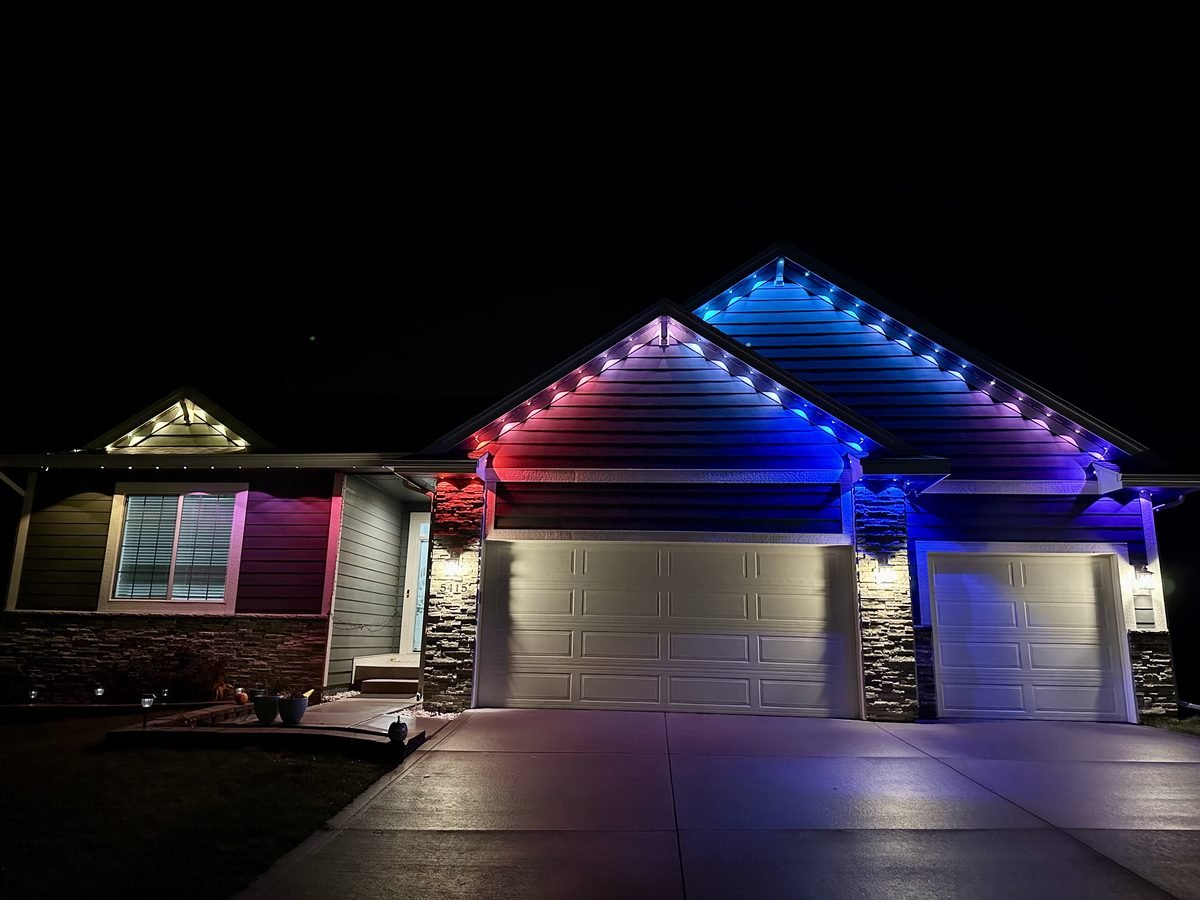
Colors cost the same: warm white, multicolor, red and white, or a custom mix. Customers choose which parts of the roofline are lit; just the peaks or just the front is fine. No deposit normally. Payment is due when the install is finished, payable by cash, check, card, Venmo and Cash App. Installs start mid-October and run Monday through Saturday, booked by route so neighbors often share a day. The two weeks before Thanksgiving are the busiest. Takedown happens in January and is included. Customers get a reminder text before install day and before takedown.
For homeowners looking for year-round convenience without annual seasonal setups, permanent track lighting provides an alternative option that stays mounted discreetly under fascia boards through every blizzard. Details are available on our permanent lights page. Local holiday traditions remain popular across the region; for instance, Des Moines hosts the Jolly Holiday Lights drive-through light show at the Iowa State Fairgrounds to benefit Make-A-Wish Iowa, as noted by Make-A-Wish Iowa.
To review detail options and season packages, review our seasonal lights page or examine general line options on our pricing page.
Questions people ask
Do Christmas lights stay working under heavy snow?
Yes. Outdoor-rated LED C9 bulbs and thick-insulated wire strands are built to operate when fully covered by snow drifts. As long as connection plugs remain dry and elevated above ground melt, lights continue running normally.
What should I do if heavy ice drops my light strand?
Do not pull on wires frozen into ice bank piles, as this tears insulation or snaps plastic socket housings. Wait for ice to soften, or contact Tate to handle winter service adjustments safely without ladder risk during freezing conditions.
When are Christmas lights taken down after winter weather?
Takedown occurs during January once the main holiday season ends. Crews send a notification text before coming out, remove roofline clips carefully, bundle customer strands, and store everything in dedicated storage facilities until October.
How do I get an exact price for my roofline before snow season?
Send your street address to Tate. Roofline measurements are calculated directly from high-resolution satellite imagery, and a ballpark estimate is texted back the same day without anyone visiting your home property.
Get a free estimate sent directly to your phone by submitting your address through our contact form or by texting 515-585-9079.