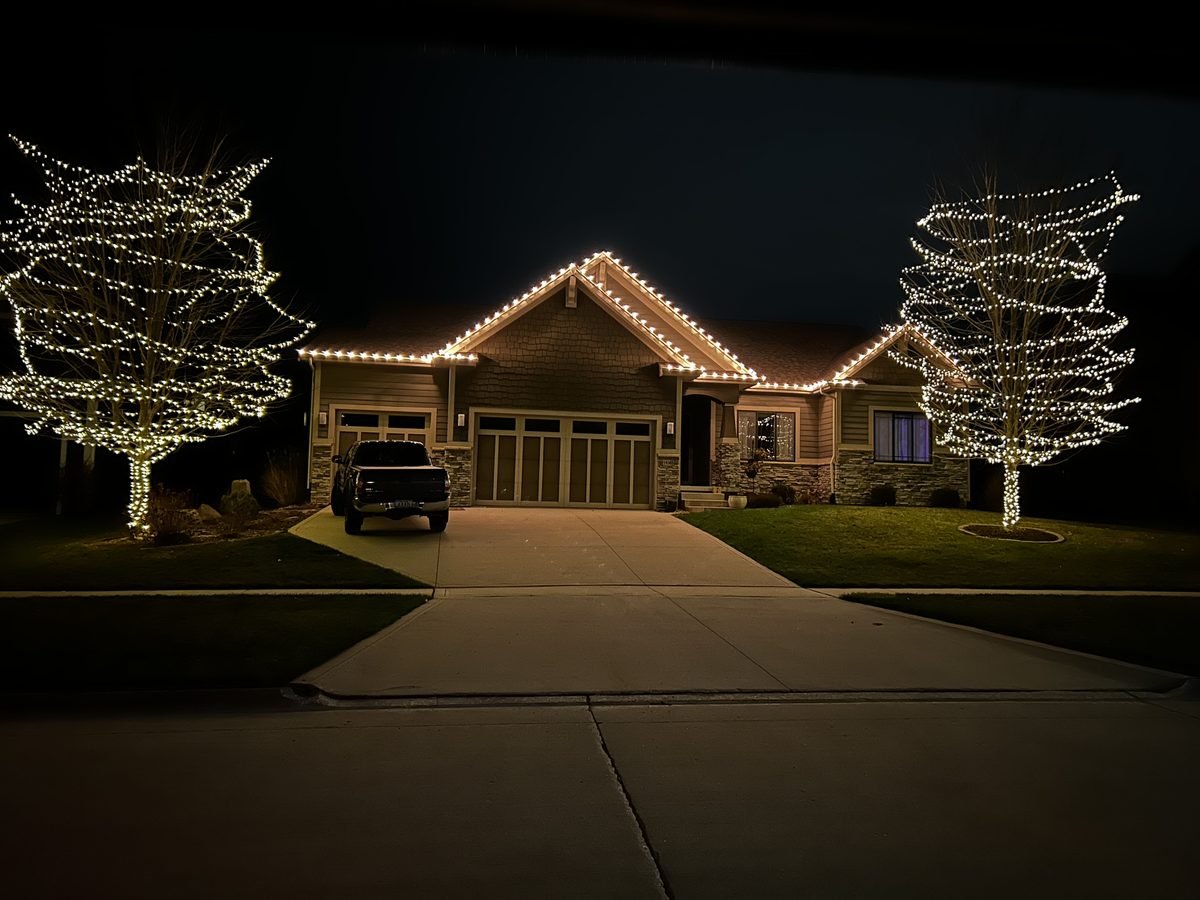
Hanging lights on tall outdoor Christmas trees requires specialized techniques like using telescoping poles, aerial lifts, and systematic branch wrapping from the ground up. Professional installers secure lighting strands tightly along the trunk and main boughs while connecting the setup to existing exterior outlets.
Decorating mature evergreen trees or deciduous hardwoods in your yard presents very different physical demands than putting lights on a home roofline. Understanding how professionals work on high branches helps homeowners decide whether to tackle tree wrapping on their own or focus their budget on roofline lighting.
What Professionals Do to Wrap High Outdoor Trees
Wrapping tall yard trees requires a structured approach to ensure the strands stay tight through winter winds and heavy ice. Installers do not simply throw light strings over high branches. They follow precise mechanical steps to secure the display.
Trunk and Branch Inspection
Before launching equipment or uncoiling light spools, installers evaluate the structure of the tree. They look for split trunks, dead wood, and overhead power drops that could interfere with placement. Working on healthy, solid wood ensures that limbs will support the weight of multiple light strands during winter storms.
Using Aerial Lifts and Telescoping Poles
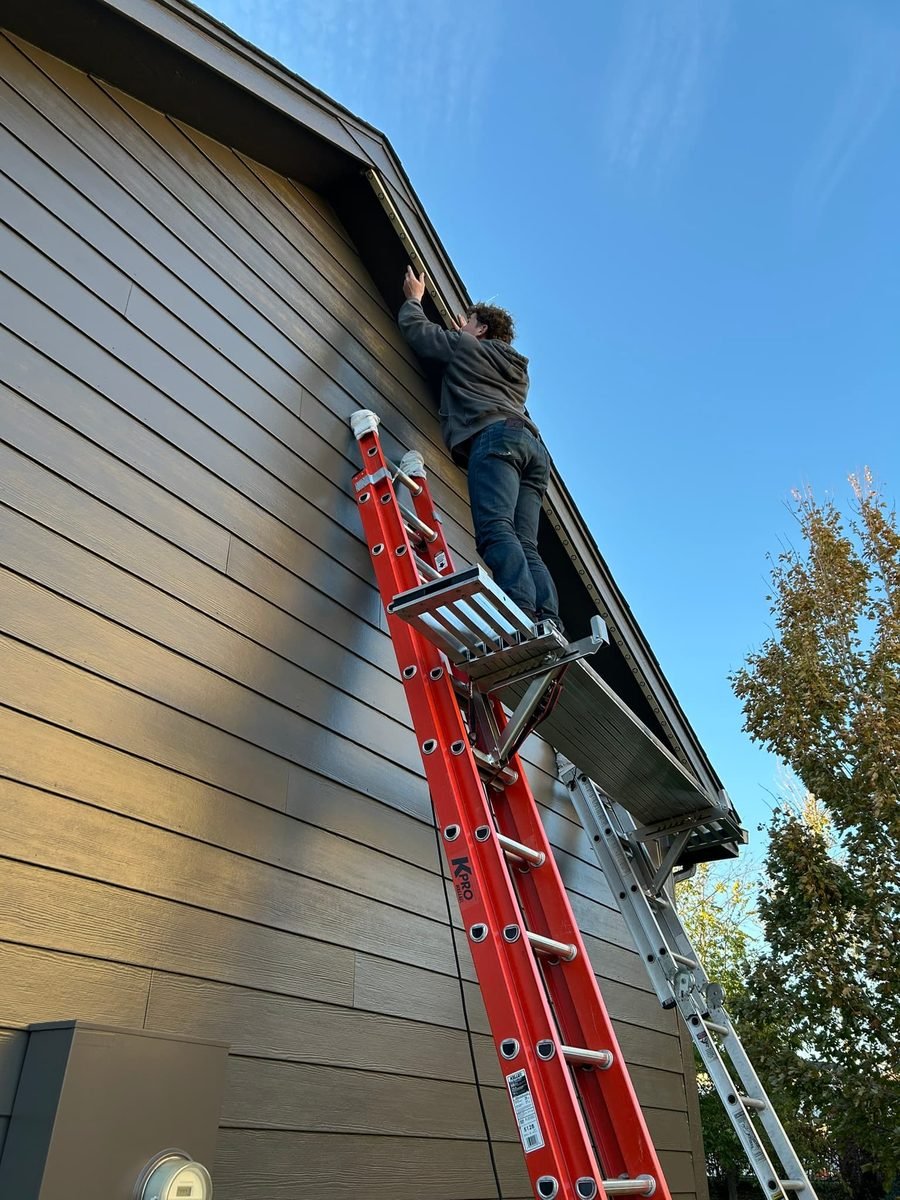
For trees over fifteen feet tall, reaching upper branches safely requires specialized tools. Installers rely on extension poles with notched heads to lift wire over high boughs without climbing into weak wood. On extremely tall spruce, fir, or oak trees, professional crews bring in articulated boom lifts or bucket trucks. This equipment provides a stable platform above the tree canopy, allowing precise strand placement without resting weight directly on fragile tips.
Systematic Spiral Wrapping Technique
Pros wrap trees using a bottom-up spiral method. The process starts at the base of the trunk, moving around the bark in tight, consistent spacing. Once the trunk is wrapped, the installer works outward along main scaffold branches, wrapping out to a safe diameter before reversing back to the main stem. This method keeps strands firmly attached so high winds do not pull the lighting out of place.
Power Routing to Exterior Outlets
High outdoor tree wrapping generates long continuous electrical runs. Installers consolidate connections along the trunk, dropping power lines down the main bark line where they are less visible. All temporary lines terminate at ground-level existing exterior outlets. Modern installations rely almost exclusively on low-draw lighting. According to the U.S. Department of Energy, LED holiday light strands consume up to 75% to 90% less energy than traditional incandescent light strands, making them the standard choice for extensive outdoor wrapping.
Risks and Mechanical Challenges of High Outdoor Lighting
Working on elevated outdoor features during late autumn brings distinct physical hazards. Low temperatures and unpredictable weather in central Iowa complicate ladder setup and tool handling on frozen ground.
Cold Weather Conditions in Central Iowa
Weather conditions change rapidly across the Des Moines metro during late October and November. Data from KCCI notes that October 28 is the median date for the first hard freeze of the season in Des Moines, Iowa. Furthermore, climate records from the National Weather Service list the average minimum temperature in Des Moines during November at 30.2°F. Handling cold plastic light strands, metal extension poles, and ladders on frozen soil increases physical stress for anyone working outside.
Fall Hazards on Elevated Projects
Working at height on ladders or tree limbs carries real injury risks. Statistics published by the U.S. Consumer Product Safety Commission show that emergency rooms nationwide treat about 160 holiday decorating-related injuries per day during the season, with falls accounting for roughly 40% to 50% of those incidents. In another report, the U.S. Consumer Product Safety Commission estimated that about 14,900 people were treated in emergency departments nationwide for holiday decorating injuries during the 2022–2023 season. Homeowners should evaluate their comfort level with heights before attempting high tree or roof work. Read more about managing these factors in the guide on ladder and roof work risks.
Deciding Between DIY Tree Wrapping and Professional Roofline Lighting
Every homeowner has different priorities when planning holiday displays. Understanding when to tackle a project yourself versus when to hire a contractor helps keep a project on budget.
When Doing It Yourself Makes Sense
For a small, easy single-story run along a low porch or wrapping a short ornamental bush, hanging your own lights is usually cheaper. If you have a small six-foot evergreen in your front yard, buying a couple of light boxes and wrapping it from ground level is straightforward and cost-effective. To weigh your options, review the article on whether to do it yourself or hire someone.
Focusing Professional Budget on House Rooflines
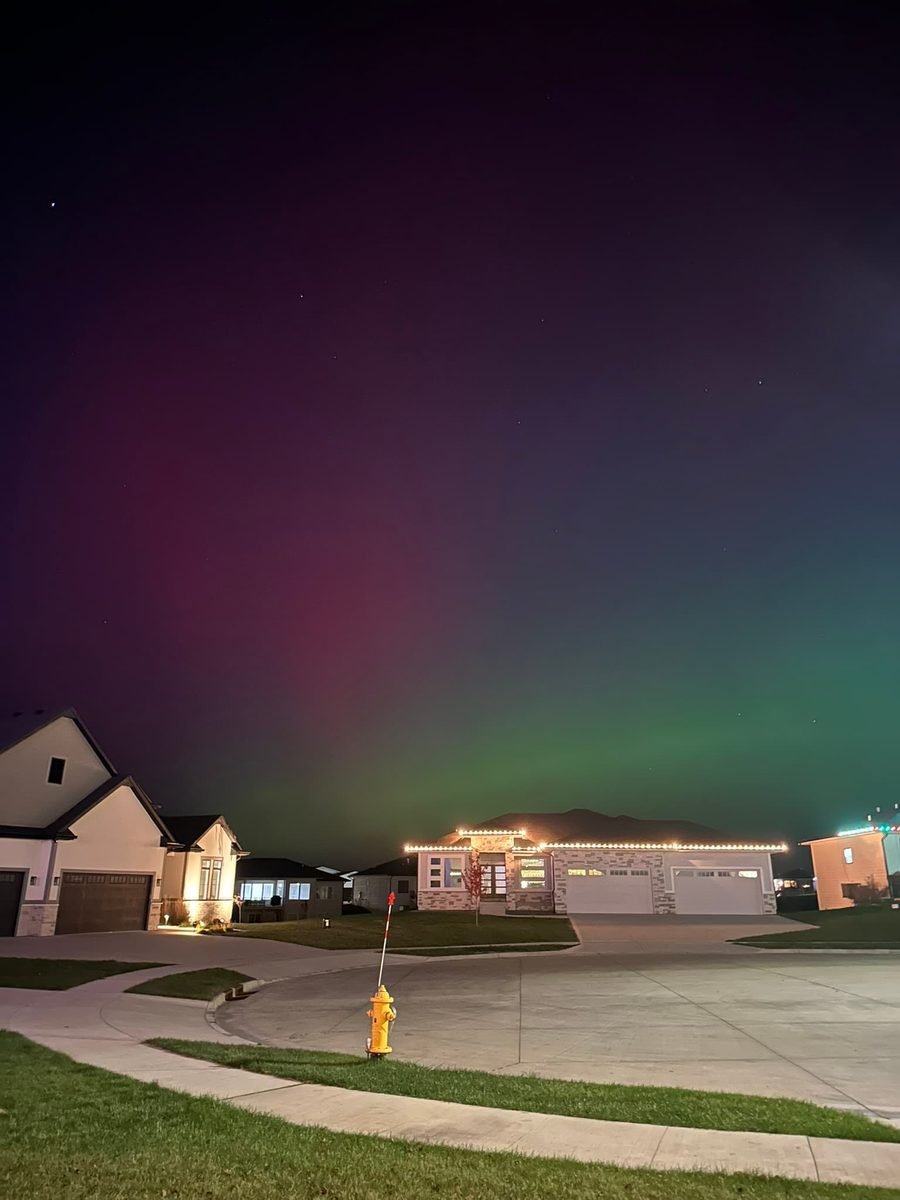
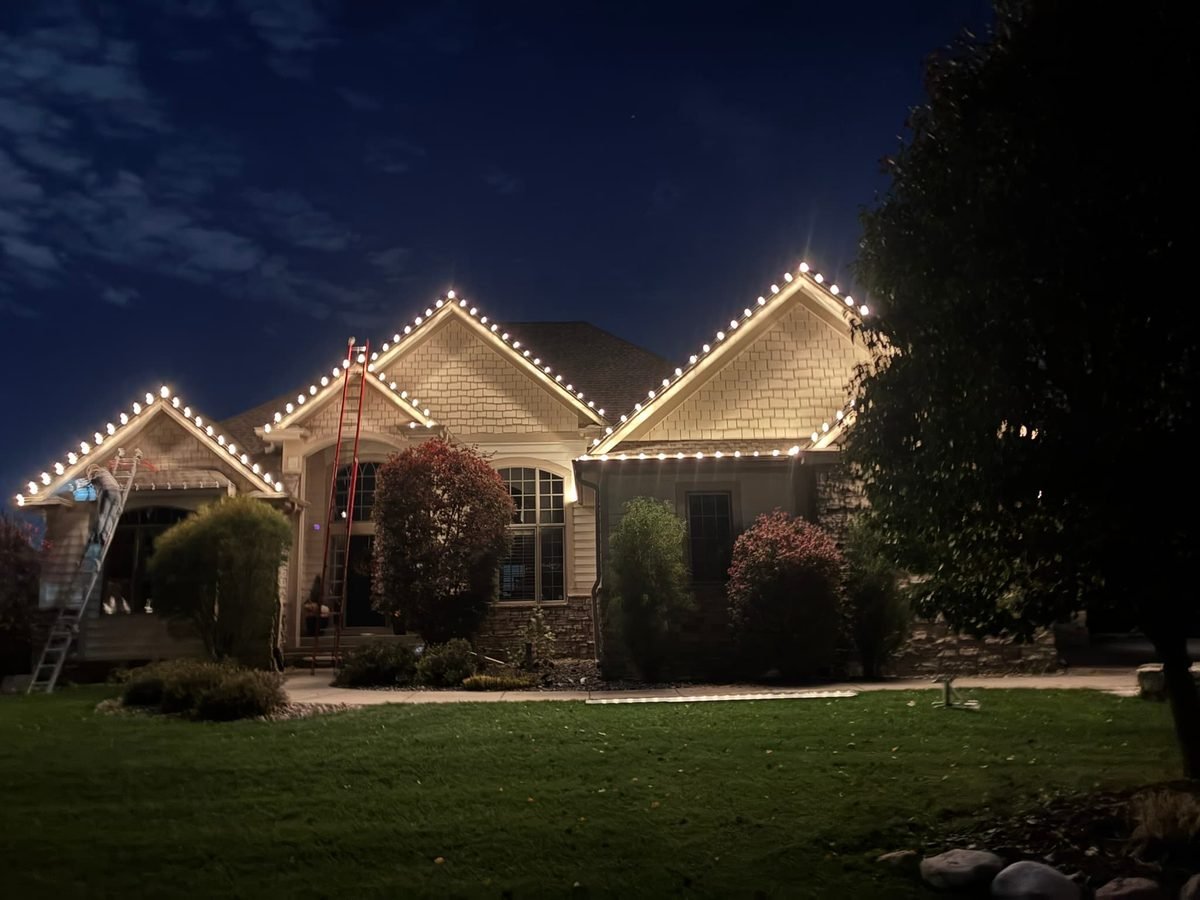
While wrapping giant yard trees takes massive amounts of light strand footage and specialized boom equipment, many homeowners choose to direct their professional budget toward clean, straight roofline displays on their homes. A lit roofline provides strong street appeal, framing the architecture of the house clearly through the winter months.
How Shimmer & Shine Lights Handles Roofline Installations
My name is Tate. When I am not running a small crew installing holiday lights, I work as a fire medic in the metro area. At Shimmer & Shine Lights, I focus on providing seasonal roofline lighting for homeowners across central Iowa.
Communities Served in the Des Moines Metro
Seasonal roofline light installation is available across specific Des Moines area towns: Adel, most of Ankeny (not the far east side), Clive, Dallas Center, Grimes, Johnston, Norwalk, Urbandale, Waukee, West Des Moines, and Windsor Heights.
Custom Roofline Fit and Method
I measure each roofline specifically so lights are cut to fit the exact length of your home. Clips attach without nails or screws wherever the roofline allows. The entire installation runs from your existing exterior outlets. You choose which parts of the roofline are lit; lit peaks only or just the front fascia run is fine. If you prefer permanent architectural lights rather than seasonal setups, check out the permanent track lighting page.
Full-Service Seasonal Package
Seasonal roofline service is a complete package. One price covers measurement, custom-cut lights, installation, maintenance fixes all season long, takedown in January, and storage of the light set until the following October. If a bulb goes out in December, I come fix it.
Pricing and Service Agreements for 2026
Pricing is calculated by the linear length of your roofline.
Current Rates and Deadlines
Pricing is calculated by the foot of roofline. Booked by November 30, 2026, the rate is $5.50 a foot with a $500 minimum. The rate went up on November 15 and goes up again on December 1. Color options cost the exact same rate: warm white, multicolor, red and white, or a custom mix of your choice. Read more details on the pricing by the foot page.
Multi-Year Savings Agreements
The first season is full price. A three-year agreement takes 20% off the next two seasons. A two-year agreement takes 15% off the second season. These options let homeowners lock in lower rates over multiple years.
Estimates and Payment Terms
To get a free estimate, send your street address. I measure the roofline from satellite imagery and text a ballpark estimate back to you, usually the same day. Nobody comes to the house for that initial step. The firm price comes after an in-person measurement, and it is written into a service agreement signed before anything goes up on the house. A signed price is held even if rates later rise. Normally, no deposit is required. Payment is due when the install is finished. Payment methods accepted include cash, check, card, Venmo, and Cash App.
Scheduling and Takedown Schedule
Installs start in mid-October and run Monday through Saturday. Bookings are organized by route, so neighbors often share an installation day. The two weeks before Thanksgiving are the busiest period of the season. Customers receive a reminder text before install day and another reminder before takedown. Takedown occurs in January and is included in the service cost. Learn more about how each step works in the installation process guide.
Questions People Ask
What tools do professionals use to put lights on high tree branches?
Installers use telescoping extension poles, extension ladders, and articulated boom lifts or bucket trucks to reach upper canopy branches. They wrap strands tightly along trunks and major branches from the bottom up to ensure lights remain stable during high winds.
Can I wrap tall outdoor yard trees myself?
For short ornamental trees that can be reached safely from ground level, doing it yourself is often the most cost-effective option. For tall mature trees, reaching high limbs requires specialized aerial lifts and extension equipment, making high tree wrapping physically challenging for typical homeowners.
How does Shimmer & Shine Lights calculate roofline installation costs?
Pricing is calculated by the foot of roofline. Booked by November 30, 2026, the rate is $5.50 a foot with a $500 minimum. The rate went up on November 15 and goes up again on December 1. The initial estimate is completed using satellite imagery.
What is included in the full-service roofline lighting package?
One price covers satellite and in-person measurement, custom-cut lights, installation using clips that attach without nails or screws wherever the roofline allows, maintenance fixes all season long, takedown in January, and storage of the lights until next October.
To get a free estimate for your home, submit your address through the form at the contact page or text 515-585-9079.